Walk into any hijab collection and the choice of fabric can be overwhelming. Yet the fabric decides almost everything: how the hijab feels, how it drapes, whether it slips, and how it copes with the heat. Here is a plain guide to the main hijab fabrics and when to choose each.
Jersey

Jersey is soft, stretchy cotton knit, and it is the easiest everyday fabric. It grips well so it barely needs pinning, it breathes, and it forgives creasing. Best for: daily wear, beginners, busy and travel days.
Modal
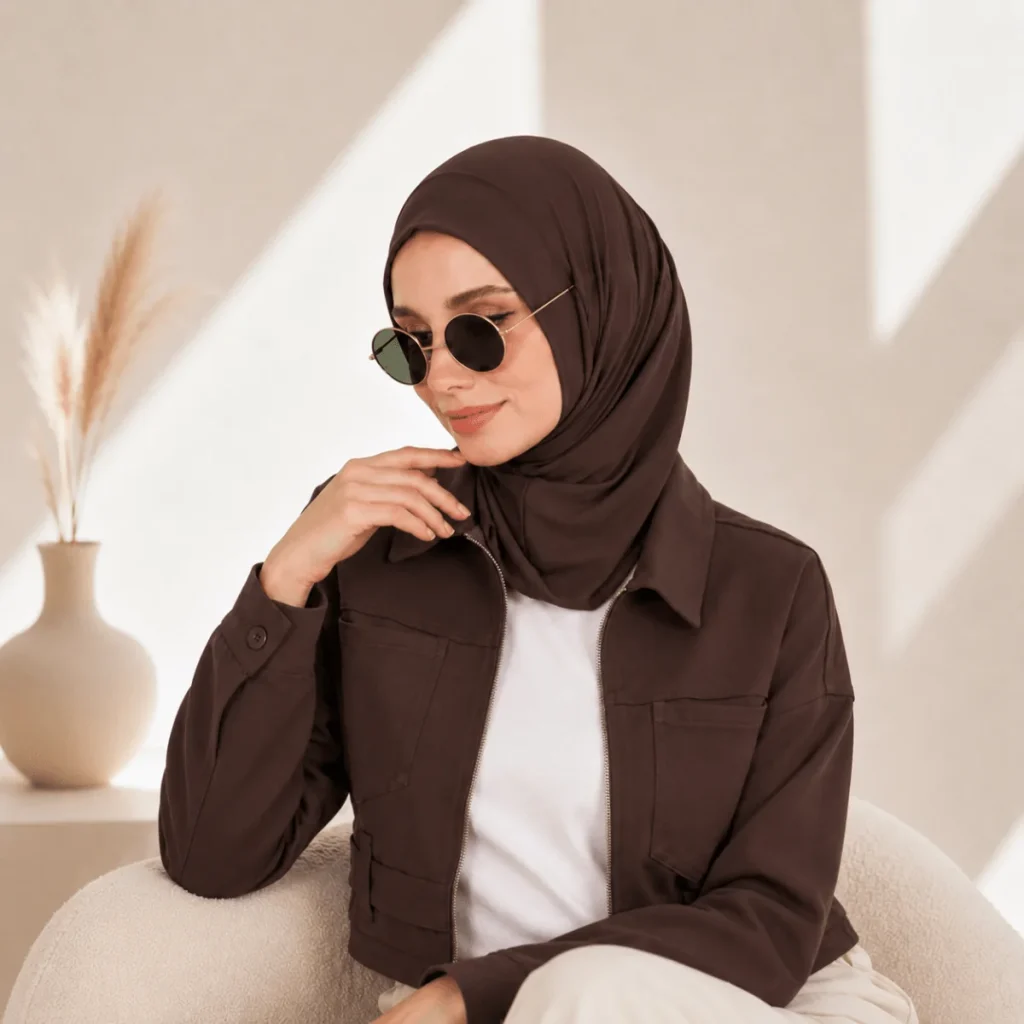
Modal is a smooth, lightweight fabric made from beech-tree fibre. It feels barely-there, drapes softly, and is especially good in heat because it is so breathable. Best for: hot-weather daily wear and a soft, fluid drape.
Chiffon
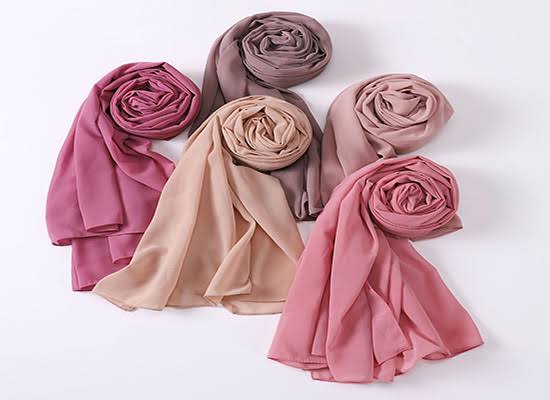
Chiffon is light, sheer and flowing, the fabric behind the elegant Gulf drape. It looks dressy but slips more, so it is happiest over a good under-cap. Best for: occasions, layered styles and a soft, elegant finish.
Cotton and viscose
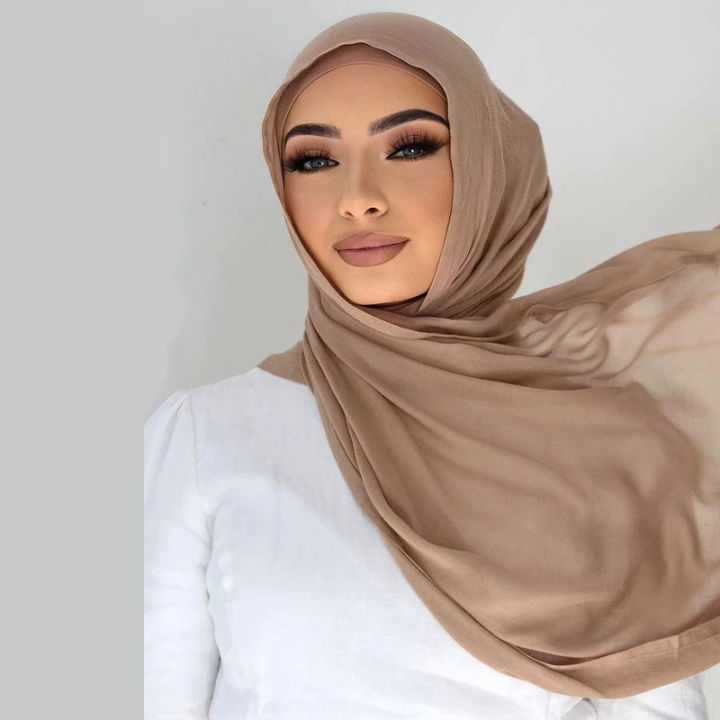
Cotton and viscose hijabs are breathable and matte, with good grip. Cotton is hard-wearing but creases; viscose is soft and drapes well. Best for: breathable everyday coverage in warm weather.
Silk and satin

Silk is the luxury choice, cool against the skin with a soft sheen, while satin gives a glossier finish for less. Both are slippery, so they suit occasions more than a rushed morning. Best for: events, evenings and a premium feel.
Wool, cashmere and pashmina

For cooler months and travel, wool, cashmere and pashmina bring warmth and a rich drape. Best for: winter, cold malls and flights.
How to choose
Think about the job. For an everyday hijab that stays put, start with jersey or modal. For occasions, reach for chiffon or silk. For warmth, choose wool or pashmina. Most women end up with a small mix: a few breathable neutrals for daily wear and one or two dressier pieces. Once you know how each fabric behaves, you can shop with confidence, and our colour guide helps with the shades.