






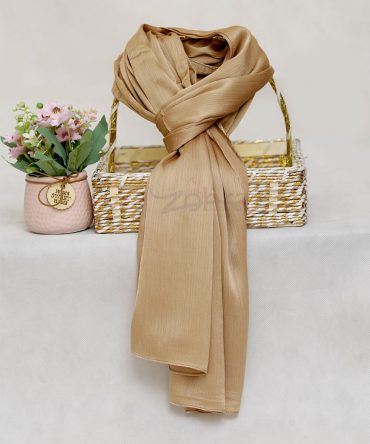
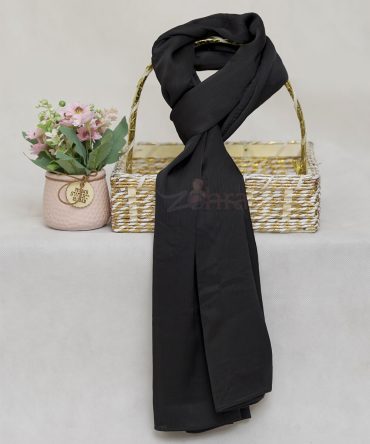





What a sheila actually is, and why the Gulf reaches for it first
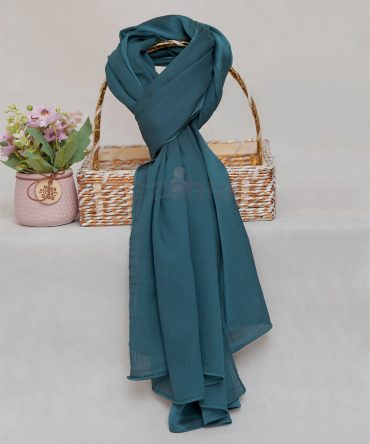
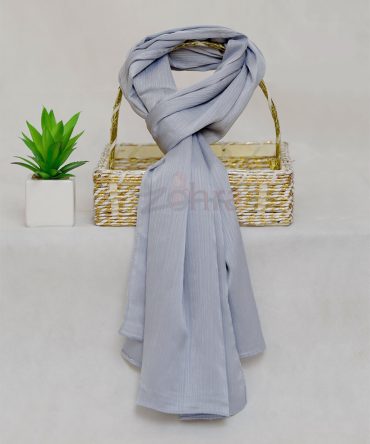
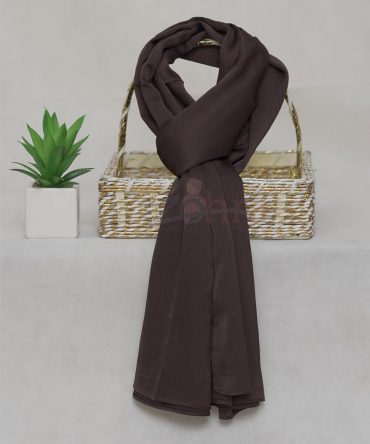
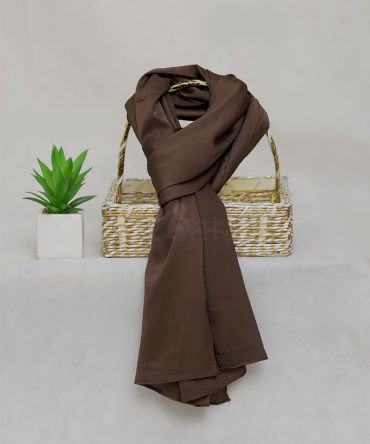
Walk into any majlis, office or wedding hall from Dubai to Al Ain and the sheila is what you will see most. It is a long rectangular scarf, usually somewhere between 70 and 200 centimetres depending on the fabric and finish, worn by draping one side longer than the other and pinning or tucking at the shoulder. In the Levant and North Africa the same shape often goes by shayla, and both words describe this rectangular cut rather than the square hijab that needs folding into a triangle before it can be worn.
In the UAE specifically, the sheila has become the everyday uniform for women who want a clean, tailored look without spending ten minutes in front of a mirror each morning. It pairs naturally with the abaya, but it also stands on its own with a blazer, a kaftan or a simple jersey top. Ask a stylist in Dubai what separates a sheila from a shayla scarf and most will tell you it is really a matter of regional naming rather than construction. Both are rectangles. Both drape rather than fold. The terms travel with the people using them.
Rectangle versus square: why the shape matters more than people admit
Square hijabs have their place, particularly for voluminous, structured looks favoured in some formal settings. But for daily wear, the rectangle wins on almost every practical measure. A square scarf has to be folded into a triangle first, and that fold determines how it sits on the head for the rest of the day. Get it wrong and you are re-pinning by lunchtime.
A rectangle hijab skips that step entirely. You drape it, you pin it, you are out the door. The long shape also drapes more naturally along the body rather than sitting as a triangular mass at the shoulders, which is part of why the sheila reads as more polished and less bulky, especially in lightweight fabrics. For anyone commuting between air-conditioned offices and Dubai's heat, that speed matters. This is really the whole case for an instant sheila hijab: fewer steps, fewer pins, a wrap that looks deliberate rather than rescued.
There is also a length advantage. Because a rectangle is already long and narrow, you get more coverage at the chest and back without adding extra fabric bulk at the crown of the head, which is a common complaint with heavier square wraps.
Instant sheila styles, and where they actually help
Instant or pre-stitched sheilas have a seam or a slip-on band built in, so there is no pinning at all on one side. They are genuinely useful for school runs, gym sessions or travel days when you need the look sorted in under a minute. The trade-off is a little less flexibility in how the drape sits, since the shape is fixed by the stitching. Most women in the UAE end up owning a mix: instant pieces for speed, and open rectangles for days when the occasion calls for a more considered wrap.
Sizing and length: what to check before you buy
Sheila length is not one-size-fits-all, even though most retailers list it that way. A shorter rectangle, around 70 to 85 centimetres wide and 180 centimetres long, suits petite frames and gives a neater, less voluminous finish, which works well for office wear. A longer sheila, closer to 200 centimetres, gives you more to work with for wrapped or layered styles and suits taller frames or anyone who prefers extra coverage across the shoulders.
Width matters just as much as length. A narrower sheila, roughly 70 centimetres, sits closer to the face and neck, which is why it is often chosen for structured, formal wraps. A wider one, closer to 90 centimetres, gives a softer, looser silhouette and is more forgiving if you are still refining your wrapping technique. If you are ordering online rather than trying pieces on in store, it helps to measure a scarf you already own and like the fit of, then compare it against the dimensions listed on the product page.
Does one sheila size fit everyone?
Not really. Head size, hair volume underneath and personal preference for how tight or loose the wrap sits all change how a given length behaves. Someone who wears an under-scarf cap for volume will need a slightly longer sheila than someone who wraps directly, since the extra bulk underneath eats into the usable length.
Fabric choices, and what each one is actually good for
The fabric decides more about how a sheila behaves than almost anything else, including length.
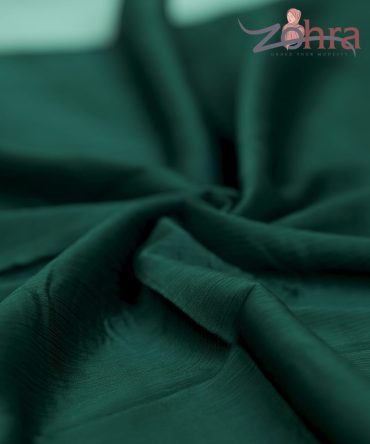
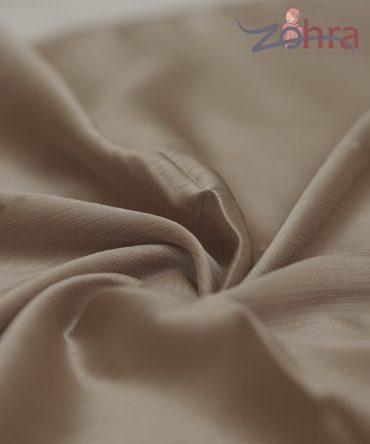
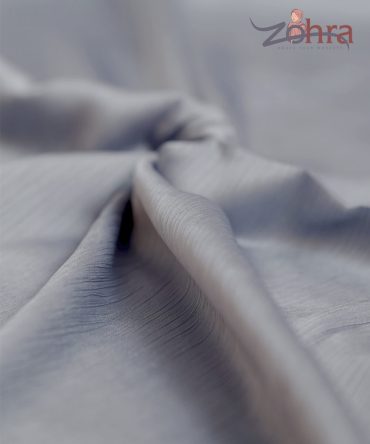
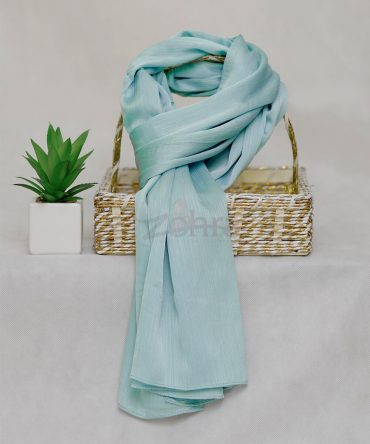
Chiffon is the classic choice for warm-weather wear and remains the most common fabric for a sheila scarf UAE shoppers reach for in summer. It is lightweight, slightly sheer, and breathable enough for Dubai and Abu Dhabi heat, though most chiffon sheilas need an under-scarf for coverage since the fabric itself is not fully opaque. It also holds a soft, fluid drape that photographs well, which is part of why it dominates in wedding and event ranges.
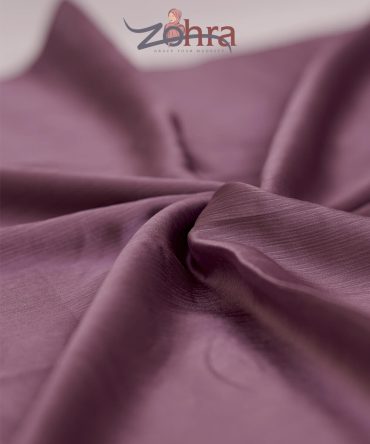
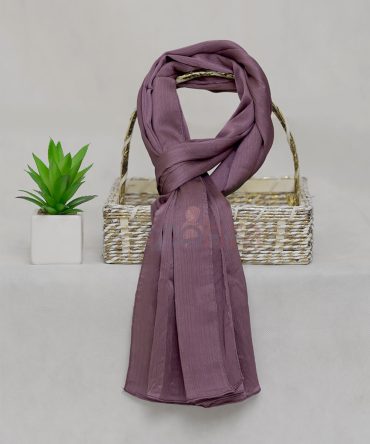
Silk and silk-blend sheilas sit at the more formal end. They carry a natural sheen, hold their shape at the pin point better than chiffon, and are the usual pick for evening functions, Eid visits or anything where the outfit is doing some talking. They do need slightly more careful handling, and a silk sheila is rarely the first choice for a scarf you will be wrapping and rewrapping five times before a meeting.
Jersey is the practical workhorse. It has natural stretch, grips itself without needing as many pins, and does not slip the way chiffon can on a humid day. It is the fabric most people reach for when they want a no-fuss wrap for errands, school runs or long days at work, and it is usually the easiest starting point for anyone newer to the rectangle shape.
Beyond these three, you will find modal and cotton-blend sheilas in some ranges, which behave closer to jersey in terms of ease but with a slightly more matte finish, useful for daytime looks that want to avoid any shine.
Which fabric works best for someone still learning to wrap a sheila?
Jersey. Its grip means the wrap holds its position with fewer pins, so mistakes are more forgiving and adjustments do not require starting over.
Wrapping a sheila for different occasions
The basic wrap is the same starting point regardless of fabric: drape the sheila over the head with one side noticeably shorter than the other, pin under the chin or at the shoulder, then bring the longer side across and pin again at the opposite shoulder. From there, occasion dictates the finishing touches.
For office and daily wear, a simple, close wrap in jersey or a lightweight cotton-blend keeps things neat and low-maintenance. Minimal draping at the shoulders, one or two pins, and you are done. This is where an instant sheila earns its keep, since most workdays do not call for elaborate styling.
For formal events, silk or a heavier chiffon allows for a fuller drape, sometimes with the fabric brought forward again after the initial wrap to create volume at the crown or a soft fold at the shoulder. A brooch or pin in place of a plain safety pin lifts the look considerably for weddings or receptions.
For layered, editorial styles that have become common on Instagram and among younger stylists in the UAE, two sheilas in complementary tones are sometimes worn together, one wrapped closer to the face and a second, often in a sheer chiffon, draped looser over the top. It takes practice, but it is a good example of how far the rectangle shape can be pushed once the basic wrap feels automatic.
Whatever the occasion, the fabric and the wrap should match the day rather than fight it. A stiff silk wrap looks overdone on a grocery run, and a loose jersey drape can look underdressed at a formal dinner.
Shopping sheila hijabs online in the UAE
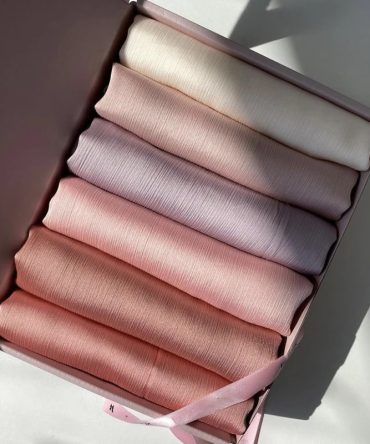
Layl's sheila rectangle range spans chiffon, silk and jersey, with lengths and widths listed on each product page so you can match a piece to the way you already like to wrap. Prices are in AED, and orders over AED 200 ship free across Dubai, Abu Dhabi, Sharjah and the rest of the UAE, typically arriving within one to three business days. Cash on delivery is available for anyone who prefers to pay at the door, and Apple Pay, Tabby and Tamara are all supported for instalments if you would rather spread the cost across a few payments, especially useful when building out a full sheila hijab Dubai wardrobe across multiple colours and fabrics in one order.
Frequently asked questions
What is the difference between a sheila and a shayla?
Nothing structural. Both refer to the same long rectangular hijab shape. Sheila is more commonly used in the UAE and wider Gulf, while shayla appears more often in the Levant and North Africa. You will see both terms used interchangeably on UAE retail sites, including for the same product.
Is a rectangle hijab harder to wrap than a square one?
Generally the opposite. A square has to be folded into a triangle before wrapping even begins, and that fold shapes the whole result. A rectangle skips that step, so most people find it faster to get a clean result, particularly with jersey or an instant sheila.
What length sheila should I buy if I am ordering online for the first time?
A mid-length rectangle, around 180 to 190 centimetres, is the safest starting point since it suits most face shapes and wrapping styles. Once you know whether you prefer a closer or looser drape, you can size up or down for future orders.
Can I return a sheila if the fabric or colour is not what I expected?
Yes. Standard returns apply within the stated window from delivery, provided the item is unworn and in its original packaging. Check the returns section on the product page for exact timeframes before ordering.