



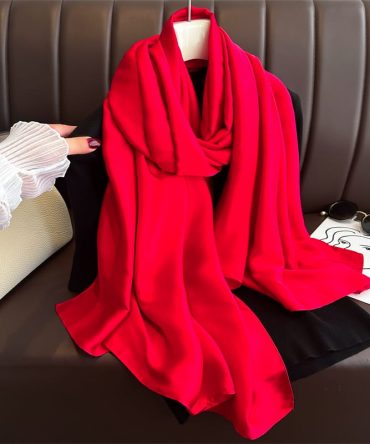

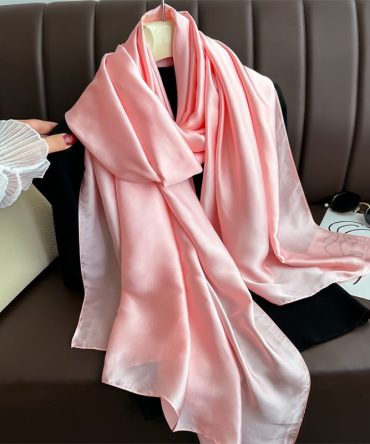


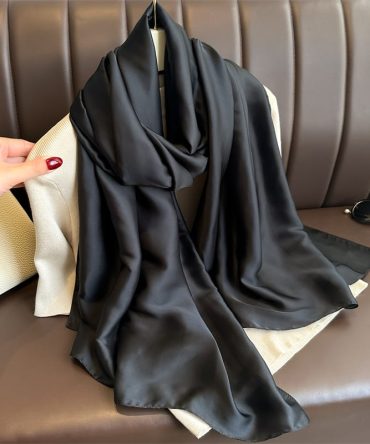


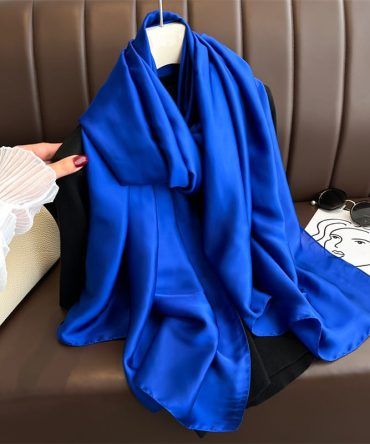
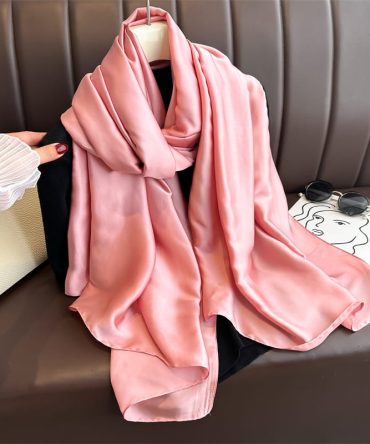


What Satin Actually Is (Hint: It's Not a Fiber)
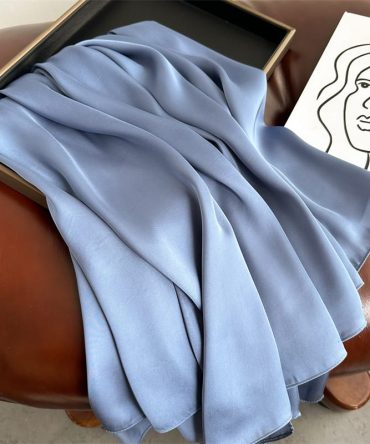
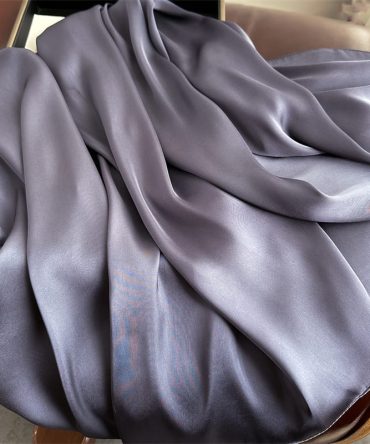
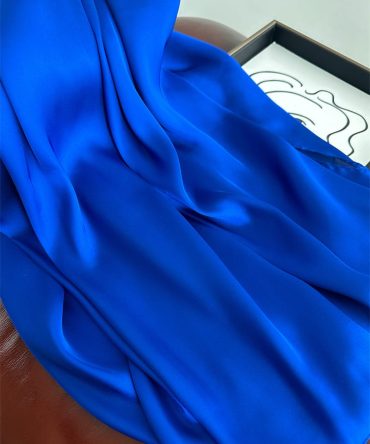
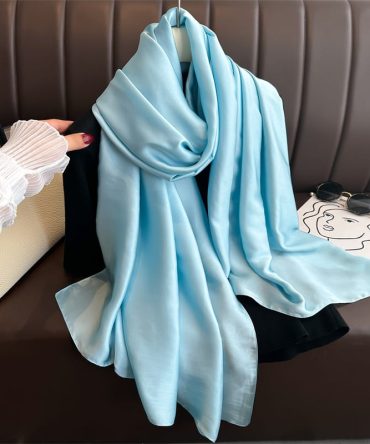
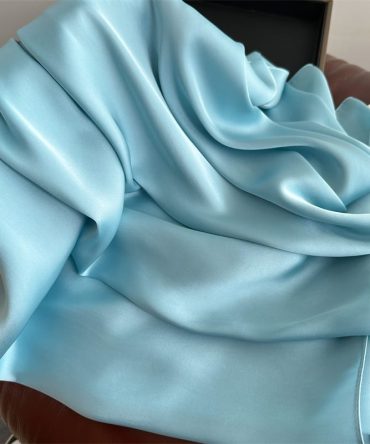
Most people describe a fabric as "satin" the same way they'd describe it as "cotton" or "silk," but that's a mix-up worth clearing before you shop. Satin isn't a fiber. It's a weave. Cotton, silk and polyester are raw materials; satin is what happens when yarn gets woven in a specific pattern that floats the threads over several others before dipping under one. That long float is what catches light and gives satin its glassy, almost liquid shine, and it's why a satin scarf photographs so well under both daylight and evening lighting.
Because satin describes a construction rather than a material, it can be made from silk, polyester, viscose or blends. A silk satin scarf uses natural silk fibers woven in that satin structure, giving you the sheen plus silk's natural breathability and weight. A polyester or viscose satin scarf mimics the same glossy finish at a lower price point, with slightly different drape and a bit more resistance to creasing. Neither version is a "fake" version of the other; they're different trade-offs built on the same weave.
Satin vs Silk: Not Actually a Fair Fight
This comparison trips people up constantly, and it's worth untangling properly. Silk is a fiber spun from silkworm cocoons. Satin is a weave that can be applied to silk or to synthetic yarns. So when someone asks "satin or silk," what they usually mean is "satin-weave polyester or satin-weave silk." A silk satin scarf will feel cooler against skin, breathe better in Dubai's heat, and age gracefully with proper care, but it costs more and needs gentler washing. A satin scarf made from polyester or a poly-viscose blend holds its shine longer without ironing, resists water spotting, and costs noticeably less, which makes it the easier daily option for a lot of women who want the look without babying a garment every time they wear it.
Satin vs Chiffon: Two Different Jobs
Chiffon is sheer, matte and airy, built for soft draping and light layering, often worn with an inner cap for coverage. Satin sits at the opposite end: opaque, glossy, with more body and a visible sheen that reads as polished rather than floaty. If your daily hijab needs to move with you through errands and prayer and pickup lines, a lightweight chiffon or crepe often wins on breathability. If you want something that looks deliberately finished for an evening out, a dinner, or a photo-heavy event, satin's shine does the work chiffon can't.
Why Satin Is Genuinely Good for Your Hair
This isn't a beauty myth dressed up as marketing. Cotton and other rough-textured fabrics have tiny fibers that grip onto hair strands, which pulls at the cuticle and draws moisture out overnight. Satin's smooth, tightly woven surface has far less grip, so hair glides across it instead of catching. Over weeks, that difference shows up as less breakage at the hairline, fewer flyaways in the morning, and hair that holds moisture (and a blowout, or curls) longer.
This is exactly why the satin hijab for hair has become its own quiet category rather than just a subset of scarves. Women who wrap their hair in satin during the day, particularly against the hairline and edges, report less frizz by evening compared to cotton-blend hijabs. It's a small material choice with a cumulative payoff, especially in a climate like the UAE's, where humidity and air conditioning both work against hair moisture from different directions.
The Satin Scarf for Sleeping
Pillowcases are usually cotton, and cotton is exactly the friction-heavy surface hair doesn't want overnight. A satin scarf for sleeping (or a satin bonnet, for those who prefer a fitted option) creates a barrier between hair and pillow that cuts that friction dramatically. It's a habit borrowed from decades of haircare advice that's now standard practice for anyone protecting length, color treatments, curls or a simple blowout. Layl's satin sleep scarves are cut generously enough to fully wrap and tie without slipping off halfway through the night, which is the usual complaint with smaller or slicker alternatives.
Styling Satin: Daytime Restraint, Evening Shine
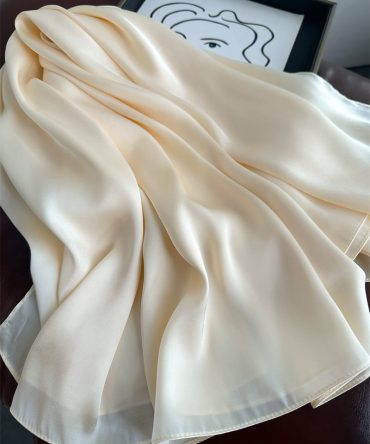
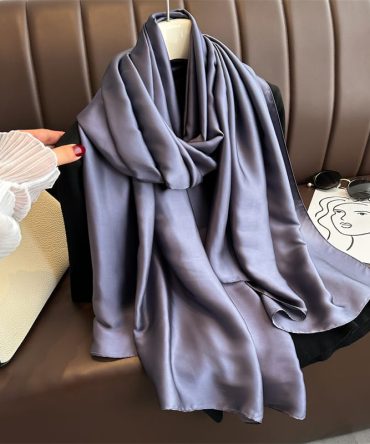
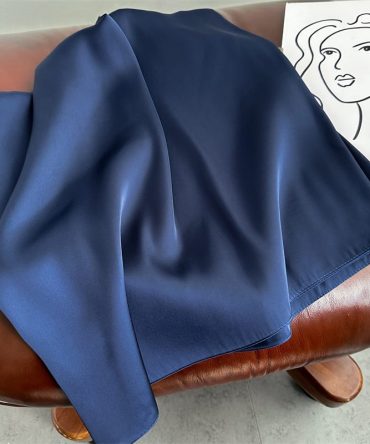
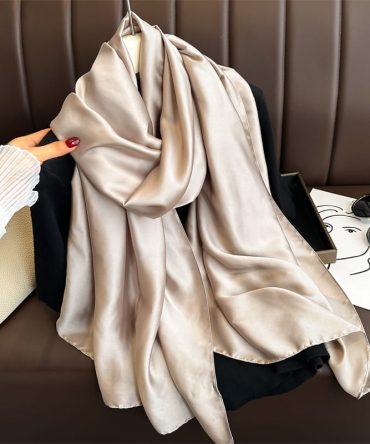
Satin's sheen is its main personality trait, and how you style it should respond to that rather than fight it. For daytime, the trick is toning everything else down. A satin hijab in a deep neutral, a muted jewel tone, or soft ivory reads as put-together rather than flashy when paired with matte fabrics like cotton, wool or linen in your outfit. The contrast between the scarf's shine and the outfit's matte finish is what makes it look intentional instead of accidental.
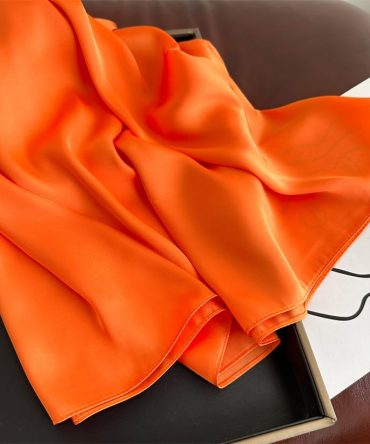
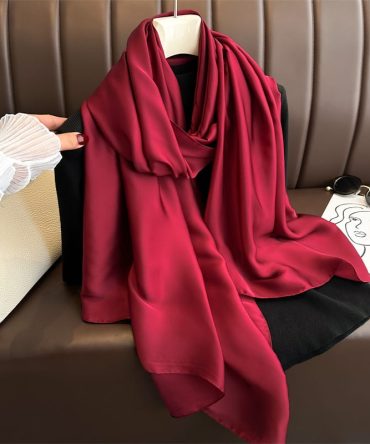
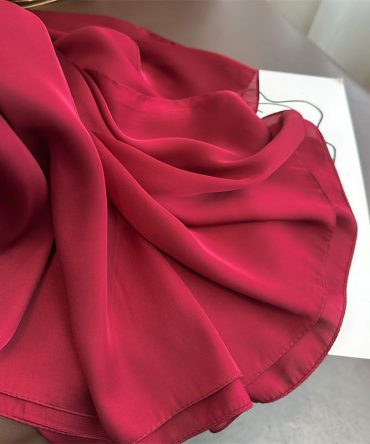
For evening, you can lean into the shine instead of balancing it. Richer, more saturated colors, deeper wine, emerald, or black, catch light beautifully under indoor and evening lighting, which is why satin is such a common choice for weddings, dinners and events across Dubai and Abu Dhabi. A satin scarf in a bold color under warm lighting has a depth that matte fabrics simply don't replicate.
One practical note: satin is slipperier than cotton or crepe, so pinning technique matters more. A small anti-slip pin at the point of wrap, or an underscarf with a bit of grip, keeps a satin hijab from loosening through the day the way it might if pinned the same way as a textured fabric.
Caring for Satin So It Keeps Its Shine
Satin's finish comes from those long floating threads, and that same structure makes it more prone to snagging than tighter, plainer weaves. A few habits protect it well. Hand wash in cool water with a mild detergent, or use a mesh laundry bag on a gentle cycle if you're washing by machine. Skip the fabric softener; it dulls the sheen rather than protecting it. Avoid wringing, since twisting the fabric can distort the weave and leave permanent creases. Instead, lay it flat on a towel, roll gently to remove excess water, then hang to dry away from direct sun, which can fade richer colors over time.
Ironing satin needs a light hand too. Use the lowest heat setting, iron on the reverse side, and keep the iron moving rather than resting it in one spot, which can leave a shine mark or scorch the fibers. If you're short on time, a quick hang in a steamy bathroom after a shower will usually relax light creases without any ironing at all.
Choosing the Right Satin Scarf
Weight matters more than most buyers expect. A lighter satin drapes closer to the body and suits smaller wrap styles, while a heavier satin holds structure better for fuller, more architectural styles. If you're new to satin, starting with a mid-weight piece gives you flexibility for both. Size matters too: a standard rectangular satin hijab around 70x180cm works for most everyday wraps, while a square satin scarf in the 90cm range suits neck styling or smaller head wraps rather than full hijab coverage.
Color-wise, solid satin tends to get more consistent wear than heavily printed satin, simply because the shine already does a lot of visual work on its own. A print on top of that shine can look busy under certain lighting. That said, a subtle tonal print or a soft border detail can work well if you want something a little more distinctive without losing the fabric's core appeal.
Shopping for a satin scarf in Dubai comes with a practical advantage: humidity is high most of the year, and satin's smooth finish handles that better than fabrics that absorb moisture and cling. It's part of why satin has such a steady following here beyond just the haircare argument.
At Layl, every satin scarf and satin hijab is priced in AED with free delivery on orders over AED 200 across Dubai, Abu Dhabi, Sharjah and the rest of the UAE, arriving within one to three business days. Cash on delivery, Apple Pay, and instalments through Tabby and Tamara are all available at checkout, so you can build out a full satin rotation, daily wear, sleep scarf, evening piece, without paying for all of it upfront.
Frequently Asked Questions
Is a satin hijab too shiny for everyday wear?
Not if the color and outfit around it stay simple. A neutral or muted satin hijab paired with matte clothing looks polished rather than flashy. The shine becomes more noticeable, and more of a statement, mainly with bold colors or busy prints, which are better saved for occasions where you want that extra presence.
What's the difference between a satin hijab and a silk satin scarf?
The term "satin hijab" usually refers to the weave and finish regardless of fiber, so it could be polyester, viscose or silk underneath. A "silk satin scarf" specifically means the satin weave is made from real silk yarn, which costs more but breathes better and feels cooler against skin, especially useful in UAE heat.
Can I wear a satin scarf for sleeping every night?
Yes, and that's actually the point. Nightly use is where satin's friction-reducing benefit compounds. Just wash it on a regular rotation, roughly once a week with normal use, since it sits directly against hair and skin oils build up the same as any pillowcase would.
Does satin work in Dubai's climate, or is it too heavy for the heat?
Satin's smooth surface actually performs well in humidity because it doesn't absorb and hold moisture the way some woven cottons do. A lighter-weight satin scarf breathes reasonably well for daytime, while heavier satin is better suited to air-conditioned indoor settings or evening wear rather than a full day outdoors in peak summer.