










The Bandana Scarf Is Back, and It Never Really Left
There's a reason the bandana scarf keeps resurfacing every few years instead of fading out like most trends. It's small, it's square, and it does more heavy lifting for an outfit than almost any other accessory in your drawer. Right now it's riding a wave of Y2K nostalgia and a renewed appetite for vintage Hollywood glamour, the kind of look where a silk square knotted at the nape did as much work as a full hairstyle. Think old studio photographs, headscarves paired with oversized sunglasses, hair tucked back and away from the face with nothing more than a folded triangle of fabric.
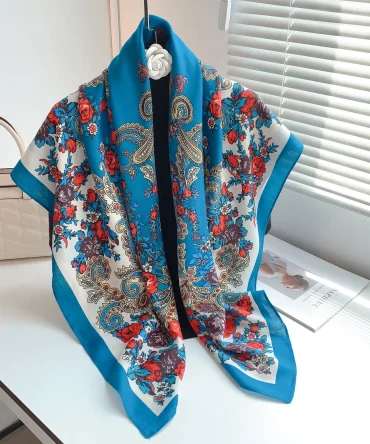
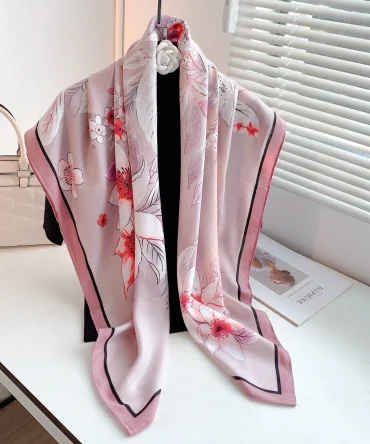
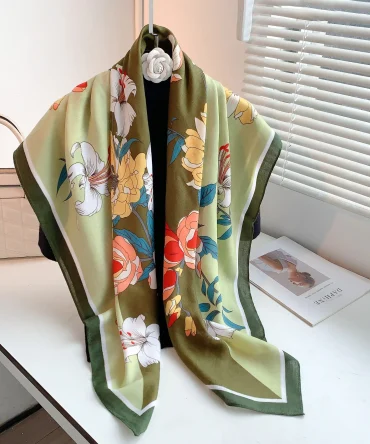
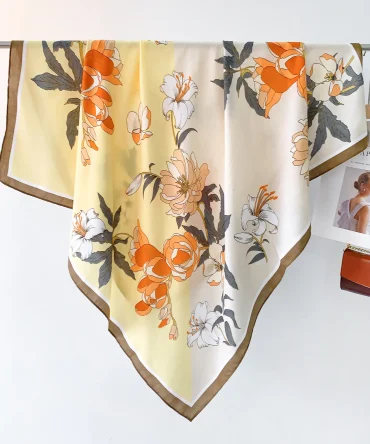
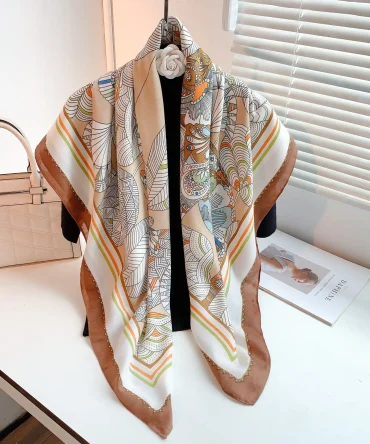
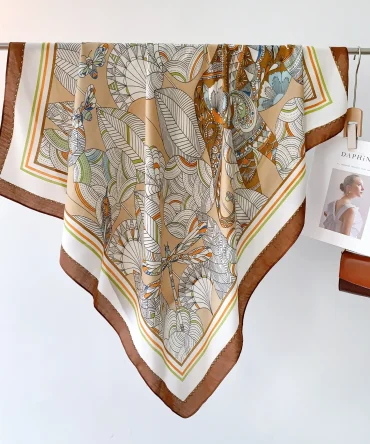
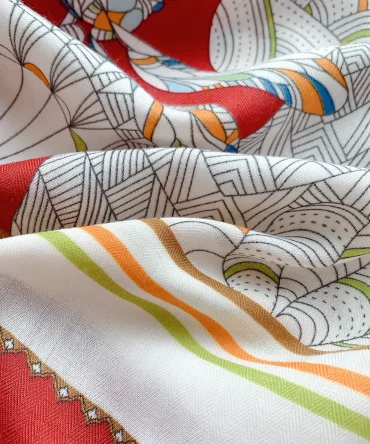
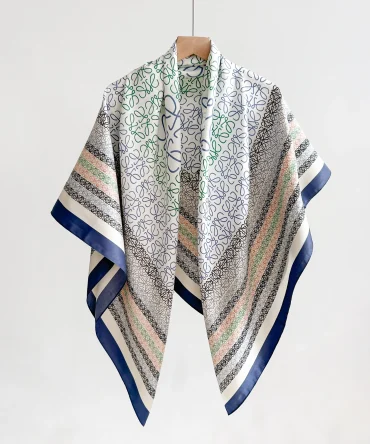
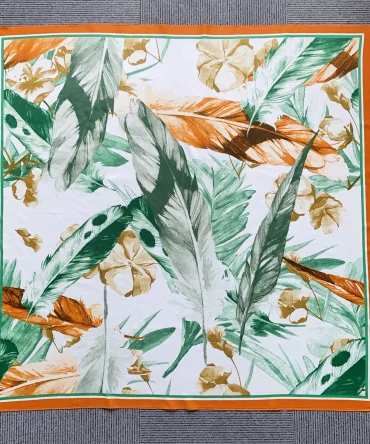
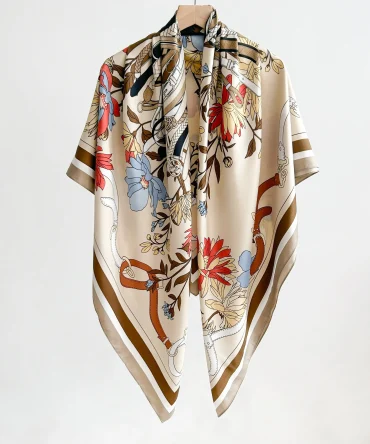
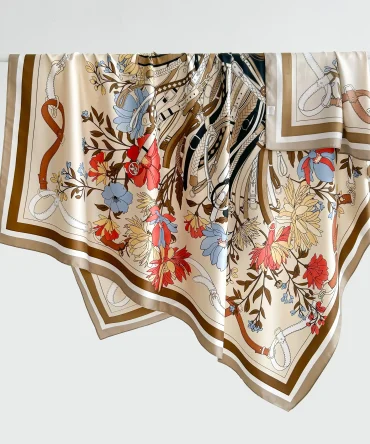
At Layl, the bandana scarf sits in its own category because it behaves differently from a hijab or a full-size shawl. It's not built for coverage. It's built for shape, texture and a bit of attitude. Our edit spans silk bandana scarves with real drape and sheen, cotton versions with more grip and structure for hair styling, and printed retro bandana scarf designs that lean into paisley, polka dot and archive-inspired motifs. Prices sit in the AED 60 to AED 180 range depending on fabric and print, with free delivery across the UAE on orders over AED 200.
Not a Hijab, and That's the Point
People sometimes land on this category expecting a smaller hijab. It isn't one, and treating it that way misses what makes the piece useful. A bandana scarf for hair is cut to sit close to the head, usually between 50 and 65 centimetres square or folded into a triangle, small enough to tie under the chin or knot flat against the back of the skull without excess fabric hanging loose.
Three ways this plays out in real wardrobes:
As a hair accessory. Folded into a band and tied at the nape, it keeps hair off the face during errands, gym sessions or humid Dubai afternoons without flattening a blowout the way a full headscarf might.
As a headband style. Rolled thin and tied at the crown, it works like a fabric headband, adding colour and print to an otherwise plain ponytail or bun.
As a neck accessory. Knotted loosely around the neck or looped through a bag handle, it borrows from the equestrian and Parisian dressing playbooks, where the bandana headscarf never touches the hair at all.
None of these require the coverage rules or draping technique a hijab needs, which is exactly why this category appeals to a different customer, sometimes the same one on a different day.
The Classic Bandana Knot
Start with the scarf folded corner to corner into a triangle. Place the long folded edge across your hairline, points hanging behind. Take the two side corners, cross them under the hair at the nape, then bring them back up and tie in a knot or bow at the top of the crossing point. Tuck the back tip under the knot or let it sit flat against the head. That's the base version, and it holds through a full day without needing pins.
Three Variations Worth Learning
The wire-edge lift: if your bandana has a wired border, or you add a thin wire yourself, you can shape the front into a soft peak before tying, which reads more polished for daytime wear.
The front-knot flip: tie the ends at the front hairline instead of the back, then flip the knotted section under and pin it flat. This is the look most associated with 1950s pin-up styling and it photographs well.
The neck scarf loop: fold into a long band, wrap once around the neck, and tie a small knot to the side rather than centre front. Works over a plain t-shirt or a collared shirt equally well.
Silk or Cotton: It Changes the Whole Result
Fabric choice matters more with a bandana scarf than with almost any other accessory, because the piece is small and every fold shows.
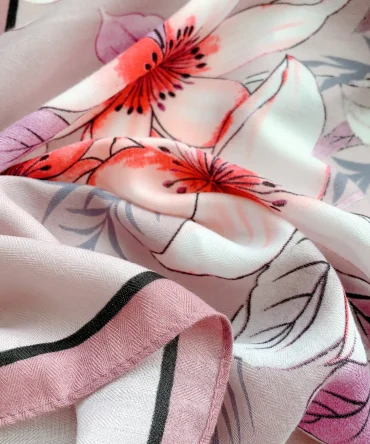
Silk bandana scarves drape rather than hold shape. Knots sit soft and slightly loose, edges curl gently, and the finish has a natural sheen that reads dressed-up even over casual clothes. Silk is the right pick for evening looks, for the front-knot flip style, or for wearing as a neck accessory where you want movement rather than structure. It does require a slightly firmer knot since silk can slip.
Cotton bandana scarves hold a crease and grip hair better, which makes them the practical choice for the classic back-tie style, for workouts, or for anyone using the scarf mainly to manage hair rather than to make a styling statement. Cotton also tolerates more frequent washing without losing shape, useful if it's going into a daily rotation rather than an occasional-wear piece.
If you're choosing one to start with, cotton is the safer everyday buy and silk is the one you reach for when the outfit needs a bit more polish.
Styling It Against What You Already Own
A bandana scarf earns its place by working across looks that have nothing in common with each other.
With denim, a printed cotton bandana tied at the back reads effortless rather than costume-y, especially with a plain white top and gold jewellery. It's the easiest way to bring a retro bandana scarf moment into an otherwise ordinary jeans-and-shirt day.
With summer dresses, silk works best. A pale or floral dress paired with a bandana scarf tied at the neck or worn as a hair wrap adds a finished touch without competing with the dress print, provided you keep the colour palette related rather than clashing.
With workout or athleisure looks, cotton again, tied flat and tight enough to survive movement. It solves a practical problem, fringe and flyaways during a run or a gym session, while still looking put together on the walk there and back.
With outerwear in cooler months, a bandana scarf works knotted around the neck under a jacket collar, a small detail that photographs better than it sounds and takes seconds to tie.
Buying a Bandana Scarf in the UAE
Shopping for a bandana scarf dubai residents will actually reach for daily means thinking about fabric weight before print. A silk bandana that feels too delicate for constant knotting and unknotting will fray at the edges faster than a cotton one built for handling. If you're new to the style, start with one cotton piece in a neutral print for hair styling and one silk piece in a bolder colour for occasions.
Every order from Layl ships across Dubai, Abu Dhabi, Sharjah and the rest of the UAE within 1 to 3 business days. Payment is flexible: cash on delivery, Apple Pay, or split the cost with Tabby or Tamara if you're building out a few pieces at once. Orders over AED 200 ship free, which most customers hit once they add a second scarf or a matching hair accessory.
How is a bandana scarf different from a regular hijab?
A hijab is cut and worn for full hair and neck coverage, typically in a larger rectangular or square format. A bandana scarf is smaller, styled close to the head or neck, and used for partial coverage, hair management or as a visible accessory rather than a covering.
Is silk or cotton better for a bandana scarf for hair?
Cotton grips hair better and holds a tighter knot through the day, making it the better pick for active use. Silk drapes more elegantly and suits looser, dressier styles, but can slip on very fine or freshly washed hair.
How do I tie a bandana scarf without it slipping off?
Fold it into a triangle, position the fold along your hairline, and cross the side points fully under the hair at the nape before tying, rather than just at the surface. A double knot, or a small twist before the final tie, keeps silk styles especially from working loose.
Does Layl offer cash on delivery and instalment payments for bandana scarves?
Yes. You can pay cash on delivery, use Apple Pay, or split payments with Tabby or Tamara at checkout. Delivery covers Dubai, Abu Dhabi, Sharjah and the wider UAE within 1 to 3 business days, with free shipping on orders over AED 200.
Bandana Scarves for Women: Colours and Everyday Sizing
Most of what people search for under "bandana" splits into two very different audiences: workwear and pet accessories on one side, and a fashion accessory for women on the other. This page is built for the second group. Every bandana scarf here is a women's piece, sized up to about 90cm so it folds cleanly into a headband, a hair tie, or a small neck knot without the bulk of a full hijab scarf.
Colour is where most shoppers start. A black bandana is the one that goes everywhere: gym bag, denim, a plain white tee, and it never looks like it was chosen without thought. A red bandana carries more personality and works especially well tied at the back of the head with otherwise neutral clothing, since the colour alone becomes the outfit's focal point. A white bandana is the quieter option, better suited to summer styling and pairing with pastels, though it shows marks faster than darker tones and is worth washing more often. Beyond solids, our range also includes printed and paisley designs for anyone who wants a more retro bandana scarf look rather than a plain block colour.
Bandana Headband Versus Head Bandana Styling
These two terms get used almost interchangeably, but the styling differs slightly. A bandana headband usually means the fabric rolled thin and tied flat against the hairline, more like a fabric hairband than a full head covering. A head bandana, by contrast, covers more of the crown, closer to the classic knotted style tied at the back or the front. Both use the same square piece of fabric, the only difference is how much of it you let sit against your head versus rolled into a narrow band. If you're newer to the style, start with the headband version since it needs less practice to get right.
Bandana as a Light Hijab Alternative
Some customers land on this page after searching bandana hijab, looking for something between a full hijab and a plain hair accessory. Worth being clear here: a bandana scarf is not built for full hijab coverage, it is a smaller, partial-coverage piece meant for hair styling or a light head covering rather than a modest hijab replacement. If full coverage is what you need, our square hijab and sheila rectangle ranges are the better fit. This bandana edit is for hair, neck and accessory styling specifically.