







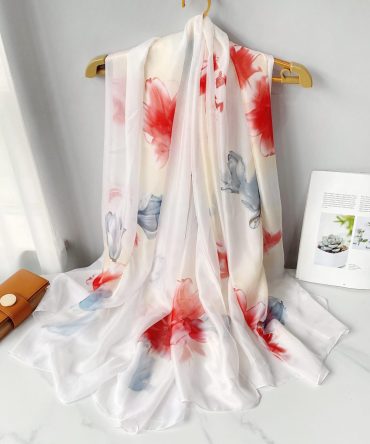
A wedding hijab is a different kind of dressing
Everyday hijabs are chosen for comfort and ease. A wedding hijab is chosen for how it behaves under light, how it photographs from three different angles at once, and how it still looks composed at midnight after four hours of dancing, dinner, and a receiving line. That's a different brief, and it's why this edit exists separately from the rest of our range. Every piece here is picked for weight, drape, and finish first, colour second, because a beautiful shade in the wrong fabric will crease, cling, or go flat under venue lighting in a way that no amount of styling can fix on the night.
Whether the event is a close family wedding in a Dubai ballroom or a beach nikah in Ras Al Khaimah, the fabric needs to hold its shape through a long evening without needing constant adjustment. Silk and silk-blend chiffon do this well. Cotton and jersey, however lovely for daywear, tend to look under-dressed once the lighting shifts to gold and the camera flashes start.
What your role in the wedding actually calls for
Guests, bridesmaids, mothers, and brides are not shopping for the same hijab, even when the event is the same. Knowing which category you fall into narrows the decision fast.
The bride
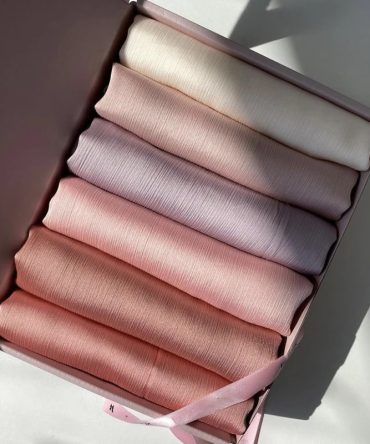
A bridal hijab UAE brides tend to reach for is rarely a single piece. Most brides need at least two: one structured wrap for the ceremony that holds pins well and photographs cleanly in close-up, and a lighter, more fluid style for the reception where comfort matters more than architecture. Ivory, champagne, and soft pearl tones remain the most requested, though a growing number of brides are choosing dusty rose or soft sage to complement a coloured gown rather than match a plain white one. Embellishment should sit at the border or in a scattered pattern rather than dense all-over work, which can catch light unevenly in photographs and add unwanted bulk near the face.
The bridesmaid
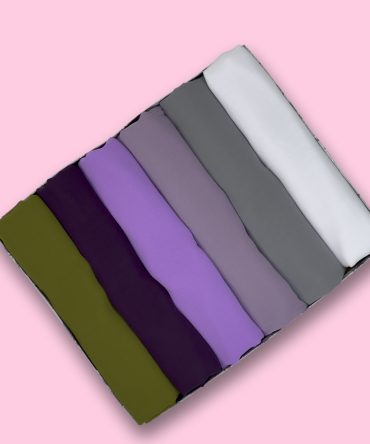
Bridesmaid hijabs need to coordinate without competing, both with each other and with the bride. If the bridal party is wearing a set palette, a solid chiffon or a subtly textured silk in that exact family reads far better on camera than a patterned piece that pulls focus. Uniformity across the group photographs more successfully than individual expression here, even if that feels counterintuitive when shopping alone.
The mother of the bride or groom
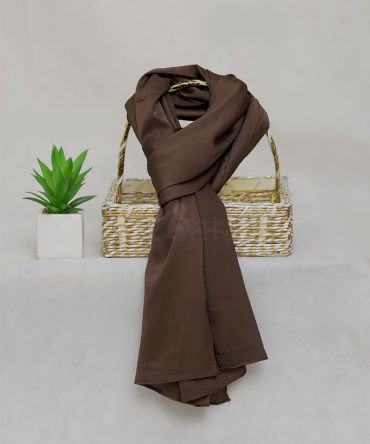
This role usually calls for something with more visual weight than a guest would wear but less exposed skin or embellishment than a bridal piece. Deep jewel tones, rich brocante golds, and structured silk with a matte finish tend to suit this position well. A slightly heavier fabric also helps here, since mothers are often seated for long stretches under strong overhead lighting and a heavier drape holds its line better than something gauzy.
The guest
Guests have the most freedom and, honestly, the most room to get it wrong through over-formality or under-formality. A hijab for wedding guest dressing should read as put-together without looking like it's trying to outdress the bridal party. Rich jewel tones, warm metallics, and deep neutrals with a touch of sheen are the safest register. Save anything with heavy crystal or hand-embroidered work for evening weddings specifically, since that level of embellishment can look overdone at a daytime or garden ceremony.
Colour etiquette nobody tells you until you've already made the mistake
The one rule that holds across almost every wedding, regardless of culture or region: guests do not wear white, ivory, or anything close enough to be mistaken for it under venue lighting. This applies even more strictly when the hijab is the most visible part of the outfit, since a pale wrap near the face reads far whiter in photographs than it does in person. If there's any doubt about a shade, it's too close to bridal territory and better left for another event.
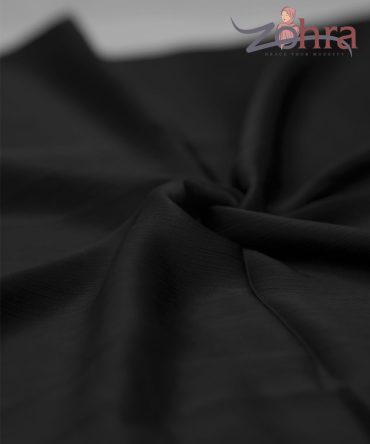
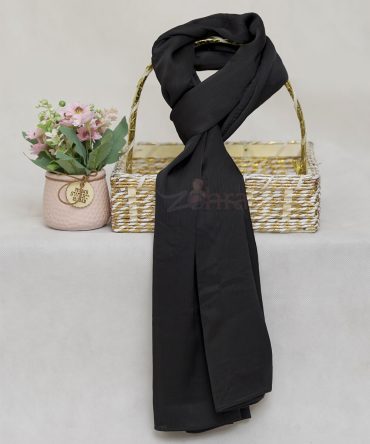
Beyond that one hard rule, colour choice is mostly about the venue and the hour. Daytime and outdoor weddings suit lighter, more breathable tones, dusty pinks, sage, soft blues, warm champagne, because harsh sunlight tends to wash out darker colours and flatten embellishment. Evening ballroom weddings can carry richer, deeper colours well: emerald, burgundy, midnight blue, and deep plum all hold their depth beautifully once the lighting drops and shifts warm. Black is safe territory for evening events but can look severe against bright daylight and outdoor florals, so it's worth reserving for after-dark occasions specifically.
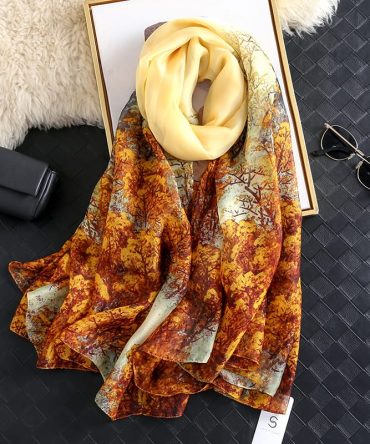
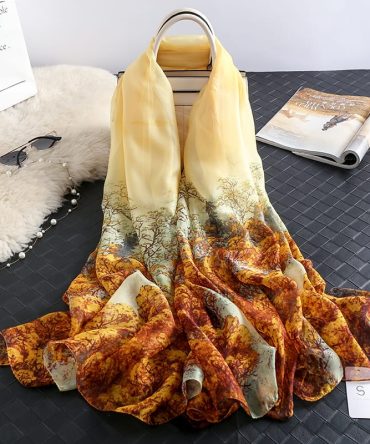
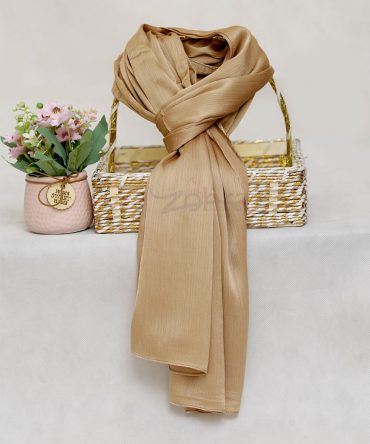
Metallics deserve a mention of their own. A hijab with gold or copper thread running through it does something clever under both daylight and artificial light: it catches whatever light is available rather than depending on one type to look good. That versatility makes metallic-threaded pieces a smart pick for anyone attending more than one wedding function across a single week, which is common during UAE wedding season.
How fabric and finish actually read on camera
This is the part most people underestimate until they see their own photos back. Wedding photography and videography use a mix of natural light, warm ambient lighting, and direct flash, sometimes all within the same hour. Fabrics respond to this mix very differently.
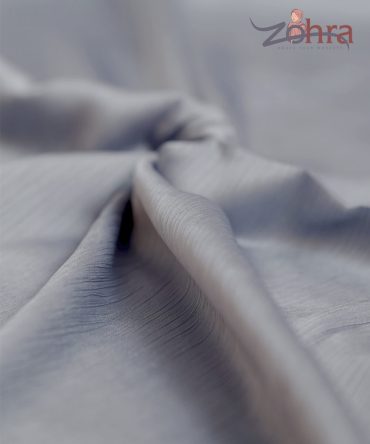
Silk has a low, even sheen that photographs as soft and luminous rather than shiny. It doesn't bounce flash back harshly the way some synthetic satins do, which is why it remains the standard choice for formal hijab Dubai occasions and beyond. Chiffon, particularly a silk-chiffon blend, moves beautifully in video and adds a sense of motion to first-dance or entrance footage without adding visual weight.
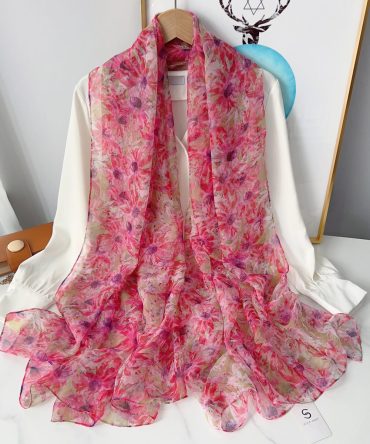
Embellished hijab pieces need a bit more thought. Sequins and metallic thread catch camera flash directly, which can look striking in a posed portrait and slightly distracting in candid shots taken mid-conversation. A safer approach for anyone attending multiple events is to choose embellishment placed along one edge or scattered lightly, rather than dense coverage across the whole piece. It gives you sparkle in the right moments without turning every candid photo into a light show.
Matte silk crepe is worth considering for anyone photographed heavily in daylight, since it absorbs rather than reflects strong sun and tends to look more sophisticated in outdoor wedding albums than anything with high shine.
Wedding hijab styles worth knowing before you shop
A handful of wedding hijab styles come up again and again across bridal, bridesmaid, and guest dressing, and knowing the names helps when browsing or asking for alterations.
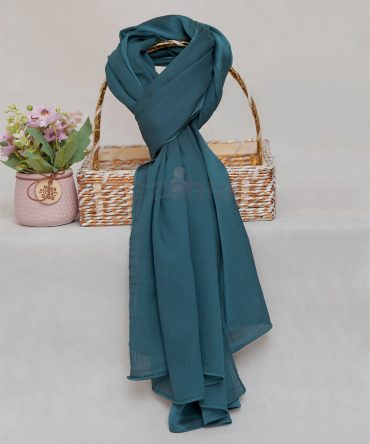
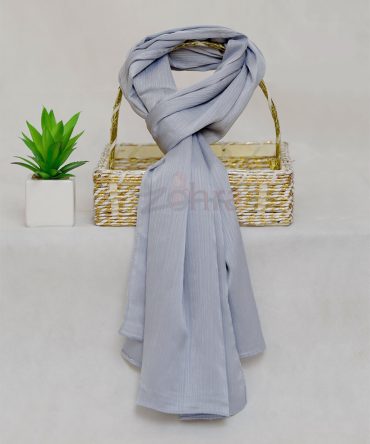
The draped shoulder wrap sits close at the crown and falls in soft folds over one or both shoulders. It's the most photographed style at weddings because it frames the face without adding bulk, and it works equally well pinned tight for a ceremony or left looser for a reception.
The turban-style wrap, structured and closer to the head, suits mothers of the bride and groom particularly well since it holds its shape through a long seated event and doesn't require re-pinning. The layered chiffon style, using two lighter fabrics rather than one heavier one, gives volume and movement without added weight, which matters during hours of standing, dancing, and photographs.
For brides specifically, a detachable veil-and-wrap combination is increasingly popular, allowing the ceremony look to be simplified for the reception without a full outfit change.
Styling for the length of the event, not just the entrance
A wedding hijab has to survive hours, not minutes, and that changes how it should be pinned and finished. A few habits make a real difference by the end of the night. Use fabric-specific pins rather than generic ones, since silk in particular slips out of standard pins within an hour of movement. Underscarves matter more here than in daily dressing, both for grip and for keeping heavier embellished fabric from shifting weight unevenly across the day.
For events that run from an afternoon nikah into an evening reception, it helps to pin with some deliberate slack rather than pinning tight from the start, since tight pinning that looks neat at 4pm can start pulling and creasing by 9pm. Bringing a small back-up pin set is a habit worth building for anyone in the bridal party specifically, since they're photographed continuously and rarely get a private moment to readjust.
Indoor ballroom versus outdoor: dressing for the UAE wedding calendar
UAE weddings run across a wide range of settings, and the venue should influence fabric choice as much as colour does. Indoor ballroom weddings, heavily air-conditioned and lit with warm artificial light, suit heavier silks and more structured wraps since there's no heat to fight and the fabric holds its shape all evening. Outdoor and garden weddings, more common in cooler months between November and March, call for lighter chiffon and breathable silk blends that won't feel heavy in open air, along with pins secure enough to handle a breeze.
Beach and waterfront weddings bring their own challenge: humidity near the coast can affect how heavier embellished fabric sits by the end of the evening, so a lighter chiffon with minimal beading tends to hold up better than a dense silk piece in that setting.
Ordering for a wedding without the last-minute scramble
Wedding dates are fixed, which makes timing less forgiving than everyday shopping. Ordering at least two weeks ahead gives enough room for delivery and, if needed, an exchange. Delivery across Dubai, Abu Dhabi, Sharjah, and the wider UAE typically takes one to three business days, and orders over AED 200 ship free. Payment is flexible too, with cash on delivery, Apple Pay, and instalment options through Tabby and Tamara, which makes it easier to put together a full bridal party order, several pieces at once, without paying it all upfront.
What is the best fabric for a wedding hijab?
Silk and silk-chiffon blends are the most reliable choices for weddings, since they hold their shape through long events and photograph with a soft, even sheen rather than harsh shine. Chiffon on its own is lighter and suits outdoor or warmer venues, while heavier silk crepe suits air-conditioned indoor ballrooms.
What colour hijab should I wear as a wedding guest?
Anything except white, ivory, or a shade close enough to be mistaken for bridal colour. Jewel tones, warm metallics, and deep neutrals are safe and flattering choices for a hijab for wedding guest dressing, with lighter pastel tones better suited to daytime or outdoor ceremonies and richer, deeper colours suited to evening events.
How do I stop my hijab from slipping during a long wedding event?
Use a grip-based underscarf rather than a plain one, choose fabric-appropriate pins (silk needs different pins than chiffon), and pin with slight slack built in rather than pinning tightly from the start. Bringing a small backup set of pins is worth it for anyone in the bridal party who'll be photographed for hours.
How far in advance should I order a wedding hijab in the UAE?
At least two weeks before the event, especially for bridal or bridesmaid orders that may need coordinating across several pieces. Delivery across Dubai, Abu Dhabi, Sharjah, and the rest of the UAE runs one to three business days, and orders above AED 200 qualify for free shipping, but building in a buffer avoids any last-minute pressure if an exchange is needed.