






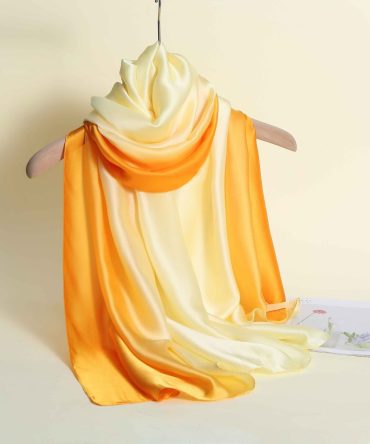
Silk scarves that actually feel like silk
There is a reason a good silk scarf outlasts almost everything else in a wardrobe. It does not date the way trend pieces do, it works across seasons in a climate like the UAE's, and it upgrades an outfit in the time it takes to tie a knot. Our silk scarf edit is built around that idea: pieces you will still reach for in five years, not five weeks. Every scarf here is chosen for the weight of the fabric, the sharpness of the print, and how it sits against skin, whether you are wrapping it around your neck on a Dubai evening out or using it as a light head covering during the day.
Shopping for a silk scarf in the UAE usually means choosing between two very different things sold under the same name. One is a printed polyester square dressed up to look like silk. The other is the real thing, woven from mulberry silk fibre with a hand and a drape that synthetic material simply cannot fake. We only stock the latter. If you have ever picked up a "silk" scarf that felt slippery, stiff, or oddly shiny under lights, you already know the difference. That gap is exactly what this page is here to close, so you know what you are paying for before it reaches your door.
What actually makes a silk scarf worth buying
Mulberry silk versus everything else
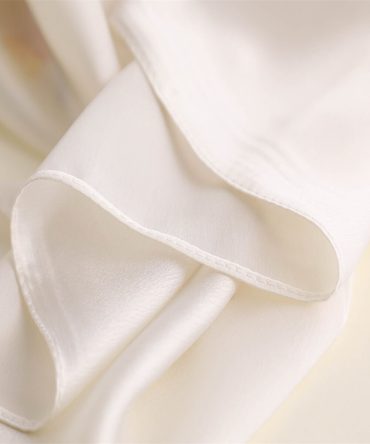
Mulberry silk comes from silkworms fed exclusively on mulberry leaves, which produces a finer, more uniform fibre than wild silk varieties. It is the benchmark for luxury silk scarf production worldwide, and it is what gives a scarf that particular soft sheen rather than a plasticky gloss. Cheaper alternatives, often labelled "silk-feel" or "satin," are usually polyester or a silk blend cut with synthetic fibre to bring the price down. They can look convincing in a product photo. They do not feel the same in your hand, they do not breathe the same against your neck in Gulf heat, and they tend to hold static and pilling that pure mulberry silk resists.
Weight and weave matter more than most shoppers realise
Silk is measured in momme (mm), a unit describing the weight and density of the fabric. Scarves generally sit between 12 and 19 momme. Lighter weights around 12 to 14 momme drape beautifully and suit hair styling or layering under jackets, while a heavier 16 to 19 momme scarf holds its shape better as a neck piece and feels more substantial for the price. Then there is the weave itself. A silk twill scarf, woven in the diagonal rib pattern you may recognise from classic French and Italian houses, is the gold standard for structured square scarves because the weave resists creasing and prints sit on it with unusual clarity. Silk charmeuse and silk chiffon, by contrast, are lighter and more fluid, better suited to hair wraps and softer draping. Knowing which weave you are buying tells you a lot about how the scarf will actually behave once it is out of the packaging.
How to tell real silk from an imitation
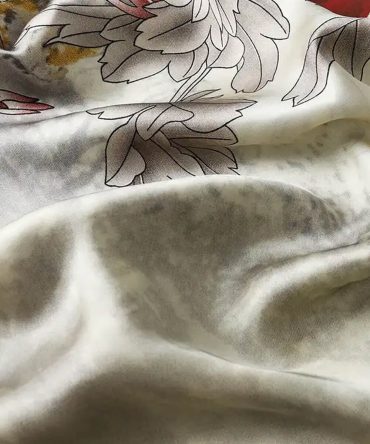
A handful of simple checks will tell you more than any label. Real silk feels warm against the skin almost immediately, because it is a natural protein fibre, whereas synthetic fabric stays cool to the touch for longer. Scrunch a corner in your fist: pure silk creases and then relaxes back out within a minute or two, while polyester holds a sharper, more permanent crease. Look at the sheen too. Genuine silk reflects light with a soft, slightly muted glow that shifts as you move it, rather than the flat, uniform shine typical of synthetic fabric. If you are ever unsure at the point of purchase, ask about the momme weight and the country of weave. A retailer who can answer both questions specifically, rather than just saying "100% silk" on a swing tag, is usually one worth trusting. We list this detail on every product page for exactly this reason.
Ways to wear a silk scarf
Part of what makes a silk scarf such good value over time is how many jobs one piece can do. A single 90cm square can move between at least half a dozen looks depending on the fold and the occasion.
- Classic neck tie: folded into a band and knotted loosely at the front, worn over a plain top or under a blazer collar.
- Hair wrap: twisted into a rope and tied around a low bun or ponytail, or used as a headband with the ends knotted at the nape.
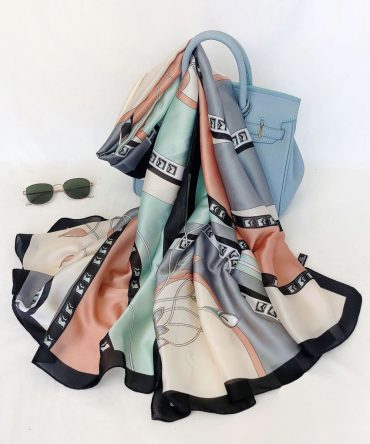
- Bag charm: tied through the handle of a tote or shoulder bag in a loose knot, left to hang for a quick colour hit against neutral leather.
- Head covering: a larger square folded into a triangle gives full, breathable coverage that sits softer against the hairline than most synthetic fabrics.
- Strap wrap: wound around a bag strap or watch strap for a small, considered detail that photographs well.
- Belt substitute: threaded through denim or trouser loops and knotted at the hip for a finishing touch that costs nothing extra to try.
None of these require a tutorial beyond the first attempt. Silk's natural give means knots sit softly rather than looking stiff or engineered, which is part of why the fabric photographs so well on Instagram and in daily wear alike.
Choosing colour and print
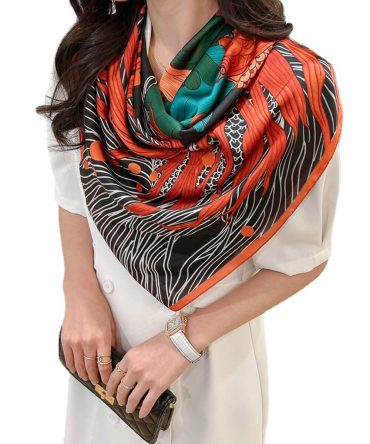
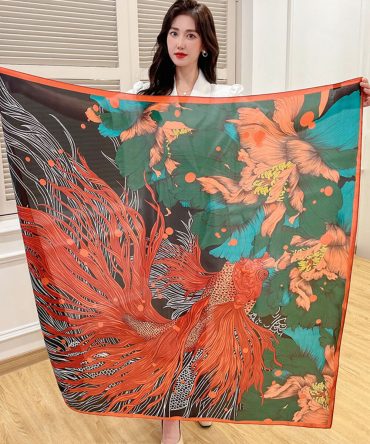
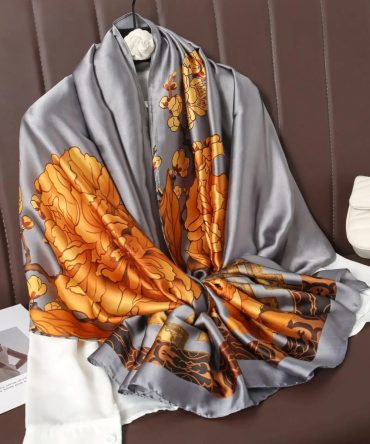
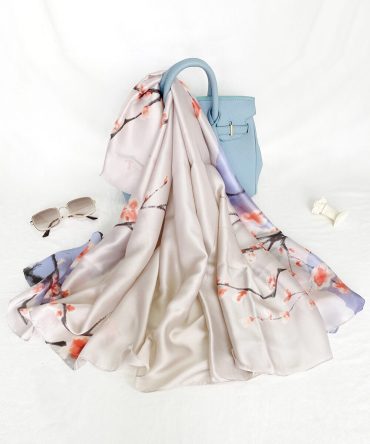
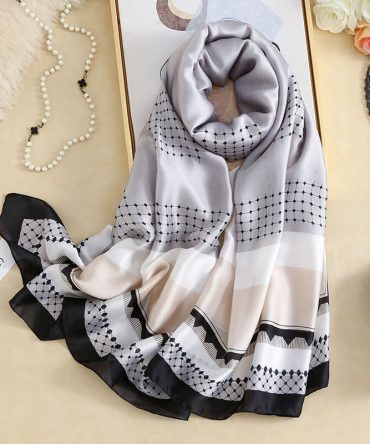
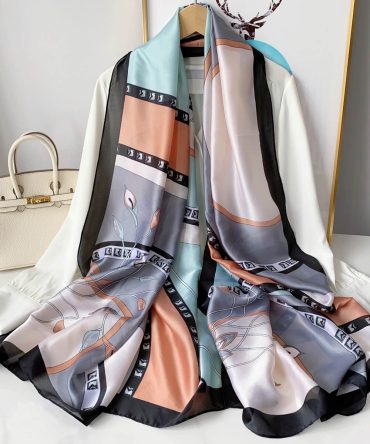
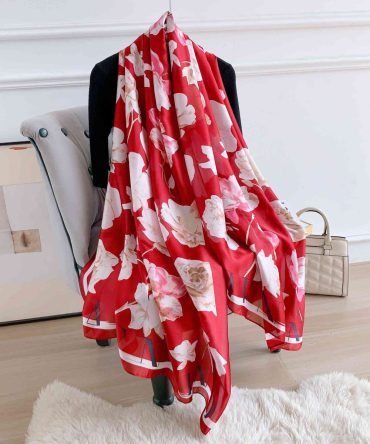
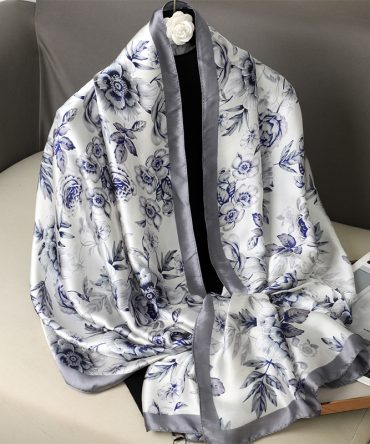
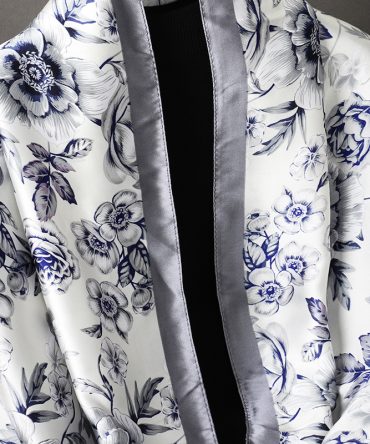
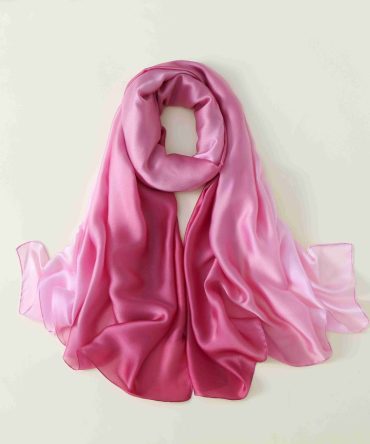
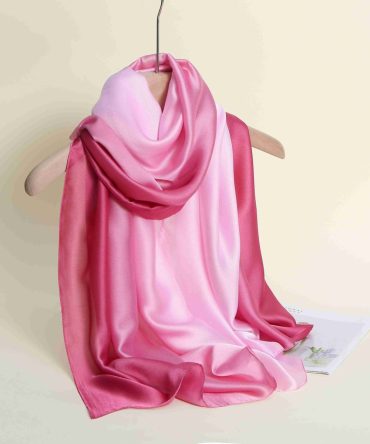
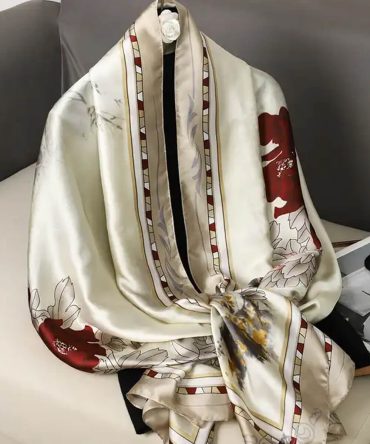
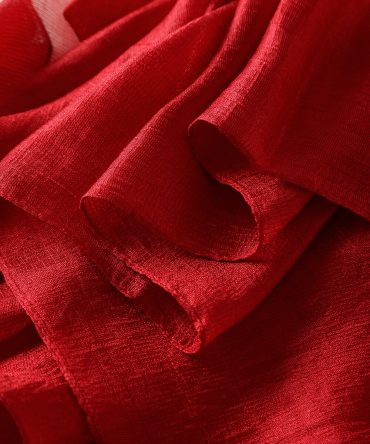
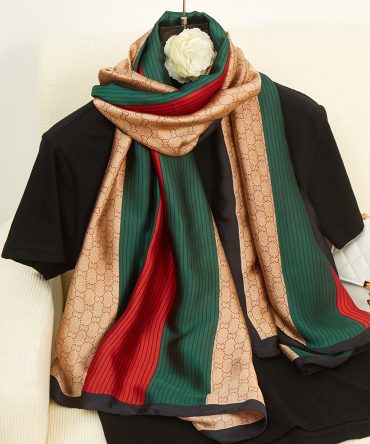
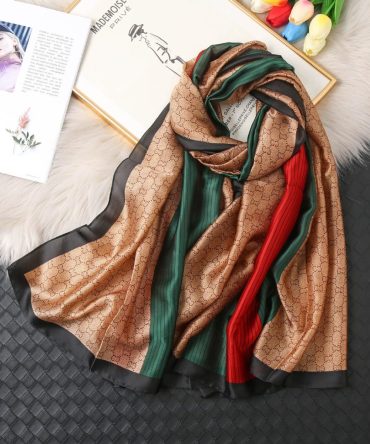
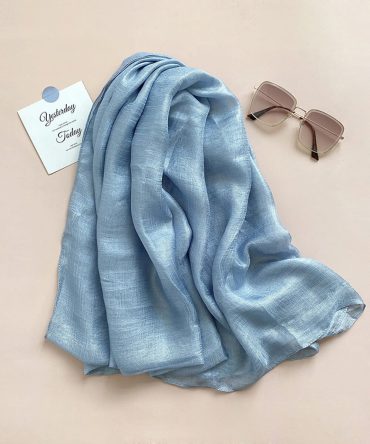
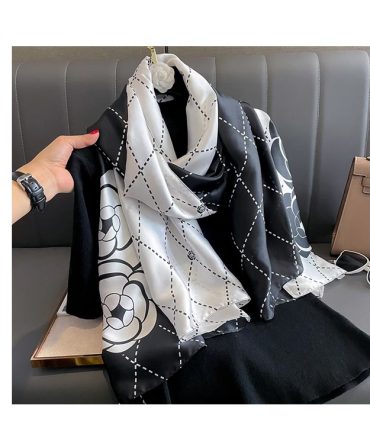
Our range runs from solid, saturated colour blocks in shades like deep emerald, burgundy, and camel through to more intricate printed silk scarf designs featuring florals, geometric borders, and abstract brushwork. A solid scarf earns its keep fastest, since it pairs with almost anything already in a wardrobe and works equally well tied at the neck for a work look or wrapped over hair for a weekend errand. A printed silk twill scarf, on the other hand, tends to become the focal point of an outfit, so it pays to keep the rest of the look simple, a plain abaya, a neutral kaftan, or a fitted top, and let the scarf carry the colour. For anyone building a first silk collection, we would generally suggest starting with one neutral, one jewel tone, and one print, which between them cover most occasions a scarf gets called into service for.
When to reach for one
A silk scarf earns its place at more than one type of event. It dresses up a plain outfit for office days without adding heat the way a jacket would, which matters through most of the UAE calendar. It works as an easy finishing piece for evening dinners or gallery openings, tied loosely rather than formally. It is a practical, elegant option for mosque visits or occasions calling for a head covering, since good mulberry silk covers fully without trapping heat against the scalp. And it makes a genuinely thoughtful gift, arriving already boxed well enough that it rarely needs re-wrapping. If you are shopping for someone whose taste you are not entirely sure of, a solid-colour silk scarf in a universally flattering shade is one of the safer luxury gifts available at this price point.
Caring for silk properly
Silk is more resilient than its reputation suggests, but it does need to be treated like the protein fibre it is rather than a normal fabric. Hand wash in cool water using a mild, pH-neutral detergent, ideally one formulated for silk or wool rather than a standard laundry powder, which can be too alkaline and strip the fibre's natural lustre over time. Avoid wringing the scarf, which stresses the weave and can leave permanent creasing; instead, press the water out gently between two towels. Dry flat, away from direct sunlight, since UV exposure fades silk's dye faster than almost any other fabric type. If ironing is unavoidable, use the lowest heat setting with the scarf slightly damp and a pressing cloth between the iron and the silk. Stored folded rather than hung, away from perfume and direct spray contact, a well-made mulberry silk scarf can easily outlast a decade of regular wear.
Ordering from Layl
Prices across the range are listed in AED, and delivery reaches Dubai, Abu Dhabi, Sharjah, and the rest of the UAE within one to three business days depending on your emirate. Orders over AED 200 ship free. Payment can be made by card, Apple Pay, or cash on delivery, and Tabby and Tamara are both available at checkout if you would rather split the cost across instalments. It is a straightforward way to try a heavier or more considered piece, like a full silk twill scarf, without paying for it all upfront.
Frequently asked questions
Is a silk scarf good for hot weather?
Yes, and this is one of the more misunderstood things about the fabric. Silk is a natural, breathable fibre that regulates temperature rather than trapping heat, which is why it has been used in hot climates for centuries longer than synthetic alternatives have existed. A lighter momme silk scarf used as a head covering or light wrap will generally feel cooler through a UAE summer than a polyester equivalent, which tends to cling and trap moisture against the skin.
How much does a silk scarf cost in the UAE?
Genuine mulberry silk scarves in the UAE typically start from around AED 150 to 200 for smaller, lighter pieces and can run past AED 500 for larger silk twill squares with detailed printing or heavier momme weights. Anything priced dramatically below that range for a "100% silk" square is worth double checking against the touch and crease tests described above before buying.
Square or rectangle, which should I choose?
A square scarf, usually between 70cm and 130cm per side, is the most versatile shape and the standard choice for neck ties, head coverings, and bag charms because it folds cleanly into triangles and bands. A rectangular scarf drapes longer and suits simple neck wraps or being worn open over the shoulders, but it offers fewer folding options for hair styling or full head coverage. Most people building a first collection get more consistent use out of a square.
Does the print fade or crack over time?
On genuine silk with proper dye application, no, not under normal wear and correct care. Fading happens mainly from prolonged direct sunlight exposure or harsh detergent, both of which are avoidable. Cracking is more typically a sign of a poor print process on lower quality fabric rather than an inherent flaw in silk itself, which is another reason weave and fabric quality matter more than the print design alone when choosing a scarf built to last.