
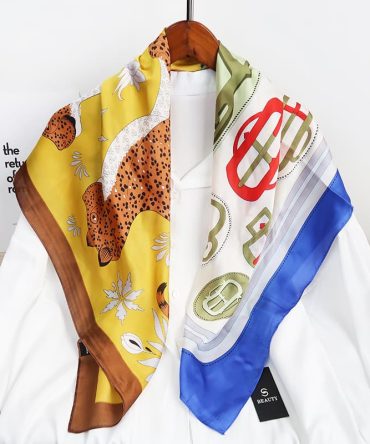
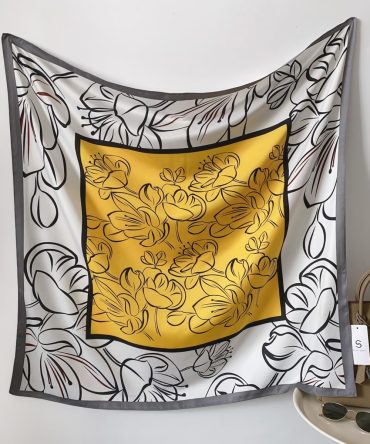
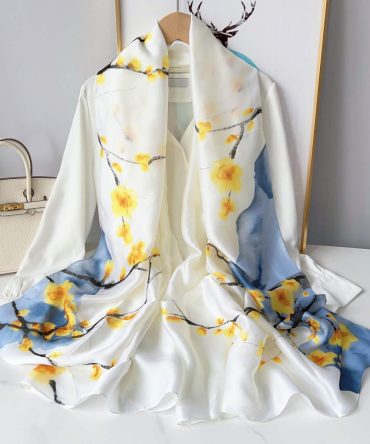


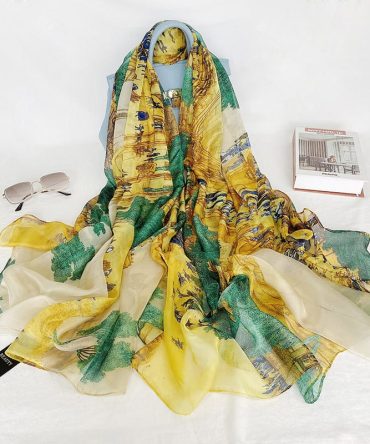
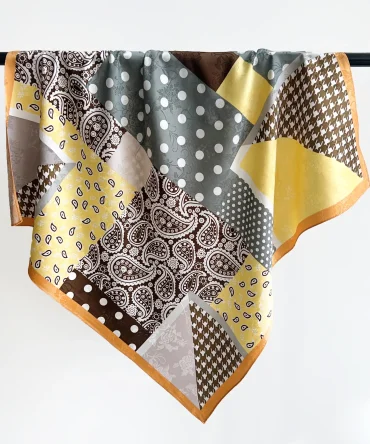
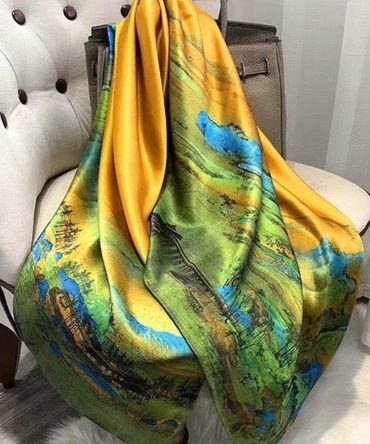
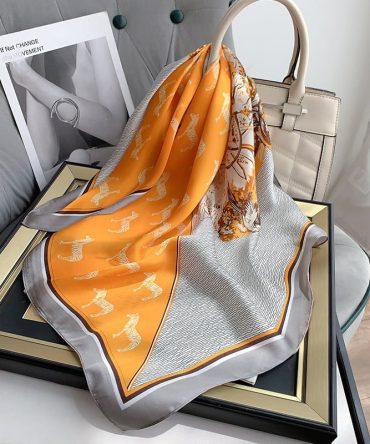
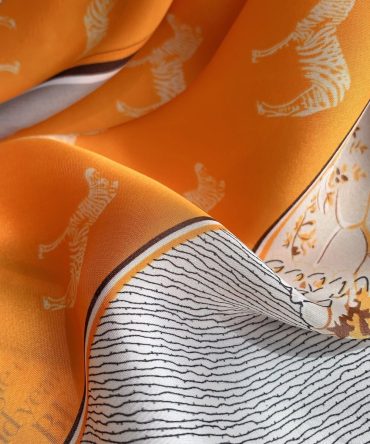


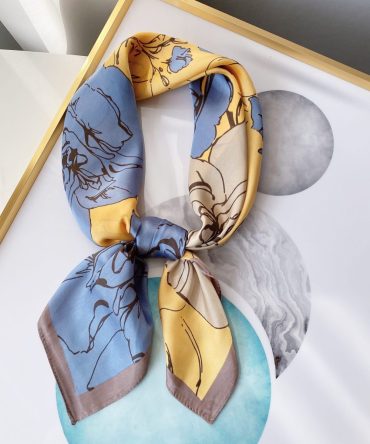

Showing 16 of 36 products
The colour nobody dares to wear first
Walk into any wardrobe in the UAE and you will find black, camel, dusty rose, maybe a navy for good measure. Yellow rarely makes the cut, and that is exactly why it works. A yellow scarf reads as a decision, not a default. It says you picked it on purpose, which is more than most colours in a closet can claim. Over the past two seasons we have watched yellow move from "special occasion only" to a genuine everyday option, worn under abayas on a Tuesday morning school run and again at a Thursday dinner in DIFC. The shift is not really about trend cycles. It is about women getting tired of playing it safe with colour and realising that a well-chosen yellow does more flattering work than another beige ever will.
There is also a practical case for it. In a region where the light is sharp and skies are clear for most of the year, warm tones photograph and read better in person than they do in a grey climate. A mustard hijab under Dubai's winter sun looks rich rather than jarring. That is not true everywhere, and it is one of the reasons yellow has taken longer to catch on in some markets than it has here.
From butter to saffron: the range actually matters
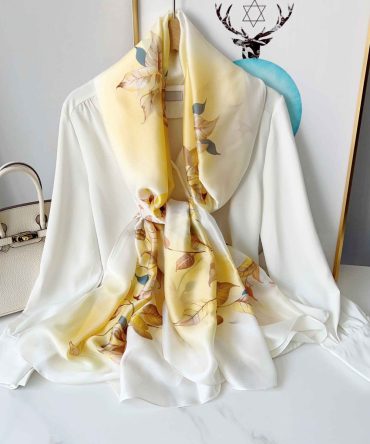
"Yellow" is doing a lot of work as a category name, because the colour spans an enormous amount of ground. At one end sits pastel butter-yellow, soft enough to sit next to white or ivory without competing. It is the gentlest way into the colour and the one most people reach for first, particularly for a yellow hijab worn daily rather than for an event.
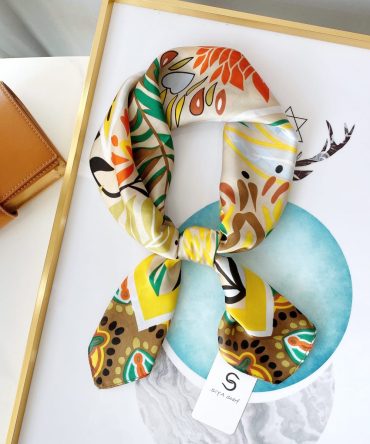
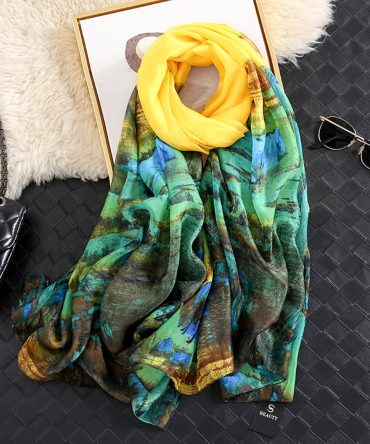
Move along the spectrum and you hit true yellow, the kind that has no grey or brown mixed in. It is the boldest version and the least forgiving, which is why it tends to show up more in silk squares and statement pieces than in everyday hijabs.
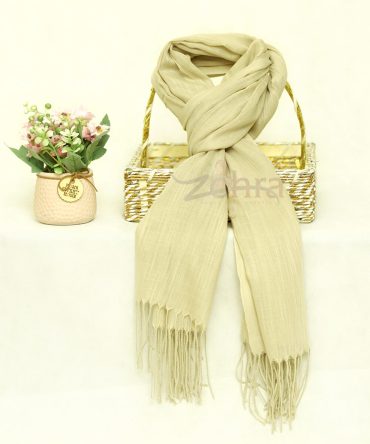
Then there is mustard, which is really yellow pulled toward brown and slightly muted. A mustard scarf is arguably the most versatile piece in this entire category because it behaves like a neutral while still being a colour. It sits comfortably against camel, olive, rust and deep brown, which makes it the easiest entry point for anyone who wants yellow in their rotation without a full styling overhaul.
Saffron sits at the warmest, most saturated end, closer to orange than lemon. A saffron hijab has a spice-market richness to it that works beautifully for evening and festive dressing, especially against darker skin tones where it tends to glow rather than wash out. If you are shopping this range for the first time, it helps to think of it less as "one colour" and more as four related colours that each do a different job.
A quick way to place the tones
Butter-yellow leans closest to white and works like a soft neutral. True yellow is the loudest and most attention-seeking. Mustard behaves like an earth tone. Saffron behaves like a warm accent colour close to terracotta. Knowing which of these four you are actually looking at, rather than lumping them all together, saves a lot of returns.
Why yellow is genuinely harder to get right than most colours
Ask any stylist and they will tell you yellow is the colour most likely to be worn wrong. It sits close to skin tone on the colour wheel, which means the wrong shade can make a complexion look tired instead of lit up, particularly near the face where a hijab or scarf sits.
The general rule, though it has exceptions, runs like this. Cooler, pinkish undertones tend to suit lemon-leaning yellows and pastel butter tones, because the coolness in the fabric offsets the warmth already in the skin. Warmer, golden or olive undertones usually do better in mustard and saffron, since a true bright yellow can look slightly acidic against warmer skin. Deeper skin tones tend to carry saffron and mustard exceptionally well, often better than lighter skin does, because there is enough depth in the complexion to match the richness of the fabric instead of being overwhelmed by it.
None of this is a hard rule and the best way to check is still to hold the fabric up under natural daylight, not a shop's overhead lighting. A colour that looks perfect at 6pm indoors can look completely different on a balcony at noon. If you are ordering online, this is exactly why we photograph our yellow scarf and yellow hijab pieces in daylight rather than studio light, and why cash on delivery exists as an option here. Try it against your face before you commit.
Styling it without it wearing you
The fastest way to make yellow feel wearable rather than costume-like is to keep everything else quiet. Against neutrals, a mustard scarf sits beautifully over black, camel, grey or ivory, because the outfit does the calming work while the scarf does the talking. Butter-yellow does the same job against white and soft beige, adding warmth without adding volume.
Metallics change the mood entirely. Gold jewellery and gold-threaded abayas pull mustard and saffron toward a richer, more festive register, which is why these tones do so much heavy lifting during Eid and wedding season. Silver, on the other hand, works better with cooler pastel yellows and true yellow, since the metal's coolness balances the warmth of the fabric rather than doubling down on it. Pairing saffron with silver is not wrong, but it takes a steadier hand, usually a matte silver rather than anything too polished.
One thing worth saying plainly: yellow rarely needs a second bold colour in the same outfit. Let it be the loudest thing you are wearing and build the rest of the look around it.
Occasions where yellow actually earns its place
Spring and early summer are the natural home for the lighter end of the range, when butter-yellow and true yellow feel seasonally appropriate rather than out of step with the weather. Come the cooler months, mustard moves in as an everyday layering colour, particularly with knitwear and heavier abaya fabrics. Saffron and deeper mustard shades come into their own around Eid, weddings and other festive gatherings, where their richness matches the mood of the occasion without needing sequins or embellishment to do it.
Fabric changes everything about how yellow behaves
The same shade of yellow will look like three different colours depending on what it is woven into, so fabric choice matters as much as the shade itself here.
Silk carries yellow with a natural sheen that catches light and makes the colour look more expensive and more saturated than it actually is. A yellow silk scarf photographs beautifully and drapes with a fluidity that chiffon and cotton cannot match, which is why silk tends to be the choice for saffron and true yellow pieces meant for evening wear or gifting. It does need slightly more careful handling, ideally a gentle hand wash or dry clean rather than a regular machine cycle.
Chiffon is lighter and more matte, which softens yellow and mutes some of its intensity. It is the most forgiving fabric for daily hijabs in this colour family, since the slight opacity and lack of shine keep even a bold yellow from feeling too loud for the office or the school gate. It also breathes better in UAE heat, which matters more here than almost anywhere else.
Cotton sits at the most casual end. It holds mustard and butter-yellow particularly well, giving both a slightly chalky, lived-in quality rather than a glossy one. It is the easiest to wash, the most breathable for daily wear, and generally the most budget-friendly of the three, which makes it a sensible starting point if you are testing whether yellow suits you before investing in silk.
Shopping this edit
Everything in this collection is organised by shade rather than by product type, so you can move from the softest butter tones through to full saffron in one scroll instead of hunting across separate hijab and scarf pages. Prices across the range run from budget cotton pieces to considered silk options, all listed in AED, with free delivery on orders over AED 200 across Dubai, Abu Dhabi, Sharjah and the rest of the UAE, usually arriving within one to three business days. Cash on delivery is available if you would rather see the colour in your own light before paying, and Tabby and Tamara let you split the cost if you are picking up more than one shade to test.
Do I need a warm skin tone to wear yellow?
No. Warm undertones tend to suit mustard and saffron most easily, but cooler undertones often look just as good in butter-yellow or a lemon-leaning true yellow. The shade matters more than a strict warm-or-cool rule, so it is worth trying a few tones rather than ruling the whole colour out.
What is the difference between mustard and saffron?
Mustard is yellow pulled toward brown, muted and earthy, and it behaves almost like a neutral. Saffron is yellow pulled toward orange, warmer and more saturated, closer to a spice tone. Mustard suits everyday and layered looks, while saffron leans more festive and eveningwear.
Which fabric is best for a first yellow hijab?
Chiffon is usually the easiest starting point. It softens the colour slightly, breathes well in UAE weather, and works for both office and casual wear. Once you know a shade suits you, silk is worth adding for evenings or gifting.
How do I check a yellow scarf will suit me before buying?
Hold it up to your face in natural daylight rather than indoor lighting, since yellow shifts more under artificial light than most colours. If you are ordering online, cash on delivery lets you do exactly this check at your door before deciding to keep the piece.