










What "red" actually means on Layl
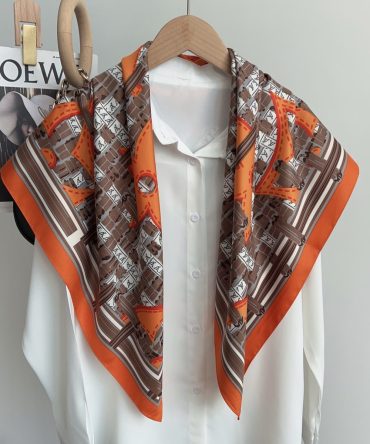
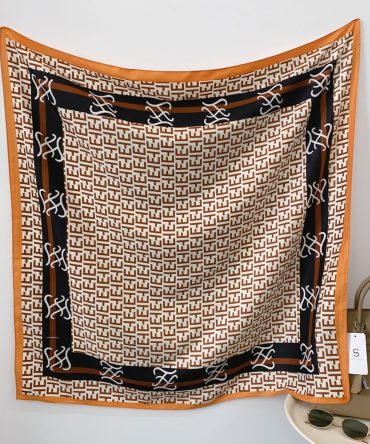
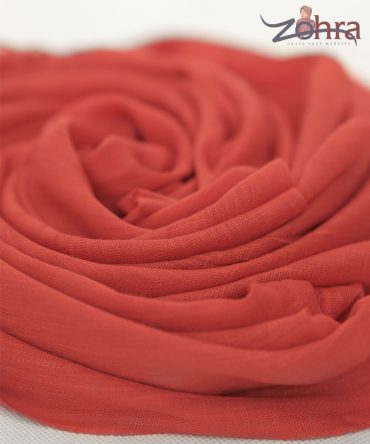
Red is not one colour here. It is a spectrum, and it behaves differently depending on where you land on it. This edit runs from soft rose and dusty terracotta through to true crimson, brick, wine-tinted red and cherry. Some of these read as neutrals with a pulse. Others announce themselves the moment you walk into a room. Knowing which one you are picking up matters more than most shoppers realise, because the wrong shade of red can look costume-y, while the right one looks considered.
Rose and blush-red sit closest to your everyday wardrobe. They pair easily, photograph softly, and work for someone who wants warmth without drama. Brick and terracotta lean earthy, almost autumnal, and suit a more relaxed, textured styling approach. Crimson and cherry are the showstoppers, saturated and confident, built for moments where you want to be seen rather than blend in. If you are new to wearing red as a hijab or scarf, start at the rose or brick end. If you already know red works for you, crimson is where the payoff is.
Choosing your red by skin tone
The old rule that "warm skin wears warm red, cool skin wears cool red" is a decent starting point but too rigid to be useful on its own. What actually matters is contrast and undertone matching at the fabric surface, especially near the face, where a hijab sits.
For deeper, warmer skin tones
Brick, rust-red and true crimson tend to sit beautifully here because they do not fight the warmth already present in the skin. A deep crimson silk scarf against olive or deep brown skin creates a rich, uninterrupted tone that looks expensive rather than loud.
For lighter, cooler skin tones
Cherry red and a blue-leaning crimson tend to flatter more than orange-based brick or rust, which can wash out a paler complexion. Rose is nearly universal and a safe entry point if you are unsure.
For medium, neutral undertones
This is the easiest group. Almost the full range works, though it is worth trying a scarf close to a mirror in daylight before committing, since red is one of the few colours that shifts noticeably under artificial light.
Why red gets saved for standout moments
Most women do not reach for red on a Tuesday. That is not a flaw in the colour, it is exactly what it is built for. Red carries visual weight that neutrals do not, and that weight is precisely why it works so well for weddings, Eid gatherings, National Day celebrations and other occasions where the whole point is to stand out a little. A rose or dusty red can absolutely do daily duty, but true crimson tends to live in the wardrobe for the days that matter, then get worn again and again once it earns its place there.
There is also a practical side to this. A single well-made red scarf, in silk or a heavier chiffon, will outlast a dozen impulse buys precisely because it is not asked to do everyday work. It gets pulled out, it gets photographed, it gets complimented, and it goes back in the drawer looking exactly as good as the day it arrived.
Styling red against neutrals
Red against black is the most reliable combination in the book, and it earns that reputation. Black absorbs the eye's attention everywhere except the scarf, so even a modest crimson piece reads as the focal point of the whole outfit. It is a strong choice for evening wear or anywhere you want the hijab to lead.
Red against white or ivory is softer and more daytime-appropriate. It suits rose and brick shades particularly well, since the lighter base lets the red glow rather than shout. This pairing also tends to photograph very well, which is worth knowing if the outfit is destined for a camera.
Red against beige or camel is the combination stylists reach for when they want warmth without contrast. Terracotta and brick shades sink into beige almost seamlessly, creating a tonal, quietly luxurious look rather than a statement one. This is a good direction if you like red but do not want it to be the loudest thing in the room.
Red against an abaya
Against a black abaya, red does the same work it does against any black base, it becomes the single point of colour and carries the whole look. Against a beige, sand or ivory abaya, choose a red with the same warmth level as the abaya's undertone so the two do not compete. A crimson silk scarf against a cool-toned beige abaya can look slightly off in a way that is hard to name but easy to see, whereas the same scarf against a warm sand abaya looks deliberate.
Seasonal relevance: National Day, Eid and weddings
Red carries specific meaning in the UAE calendar. Around National Day, red naturally becomes a colour of the season here, and pairing it with the other flag colours makes for an easy, tasteful way to mark the occasion without leaning into anything overly literal. A red silk scarf worn with white and a touch of black or green ties an outfit to the moment without feeling like a costume.
Eid is a different occasion but red plays a similar role, a colour reserved for gathering, for family photographs, for the outfit that gets remembered. Weddings, particularly as a guest, are where crimson and cherry earn their keep, silk holding the light in a way that suits evening venues and photography.
Fabric notes: how red changes with material
The same red dye behaves completely differently depending on what it is dyed into, and this is worth understanding before you buy.
Silk
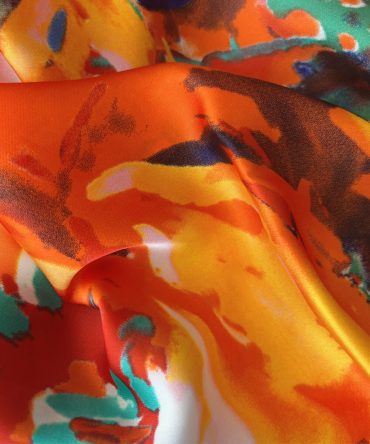
Silk carries red with the most depth. The natural sheen of the fabric catches light and shifts the shade slightly as you move, so a crimson silk scarf can look almost burgundy in shadow and bright cherry under direct light. This makes silk the strongest choice for evening occasions and photography, and it is why a red silk scarf tends to be the most requested piece in this category.
Chiffon
Chiffon is lighter and more matte, and it lets red sit softer and more diffused. It drapes with movement rather than structure, which suits everyday hijab styles and warmer weather. A chiffon red hijab reads a touch less formal than the same shade in silk, which makes it more versatile for daytime wear.
Cotton
Cotton mutes red the most, giving it a slightly dustier, more grounded finish. This is where rose, brick and terracotta live most comfortably. Cotton is also the most forgiving fabric for daily wear, holding its shape and colour through repeated washing better than silk.
Shopping this edit on Layl
Every piece in this range is priced in AED, with free shipping on orders over AED 200 and delivery across Dubai, Abu Dhabi, Sharjah and the rest of the UAE within one to three business days. Payment is flexible, cash on delivery, Apple Pay, or instalments through Tabby and Tamara if you would rather spread the cost of a silk piece meant for a wedding or Eid across a few payments. If you are building toward National Day or an upcoming celebration, it is worth ordering slightly ahead of the date given how quickly the deeper reds tend to sell through in the run-up to these occasions.
Frequently asked questions
What is the difference between crimson and red on this page?
Crimson refers to a deeper, slightly blue-leaning red, closer to the shade you would associate with wine or dark cherry. Plain red on this page spans a wider range, from rose to brick to true red, so crimson is really one specific point within that broader spread rather than a separate colour family.
Which fabric should I choose for a red hijab I will wear often?
Cotton or a heavier chiffon holds up best under regular wear and washing. Silk is beautiful but is better kept for occasions rather than daily rotation, since it needs more careful handling.
Does red suit every skin tone?
Some shade of red suits nearly everyone, but not every shade suits everyone. Rose is the closest thing to universal, while brick and crimson are more flattering on specific undertones, as covered above. Trying a scarf in daylight near your face is the fastest way to know.
Can I return a red scarf if the shade looks different in person?
Colour can shift slightly on screen depending on your device, which is common with saturated shades like red. Check the product description for return details, and keep in mind that photographing the scarf in natural daylight before deciding will give you the truest sense of the shade.