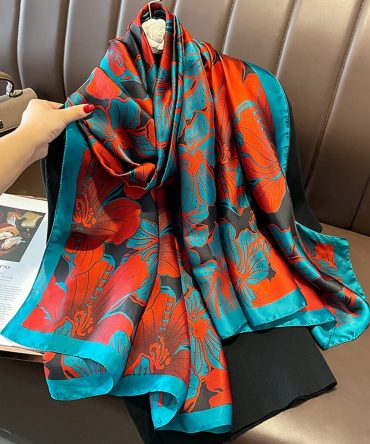

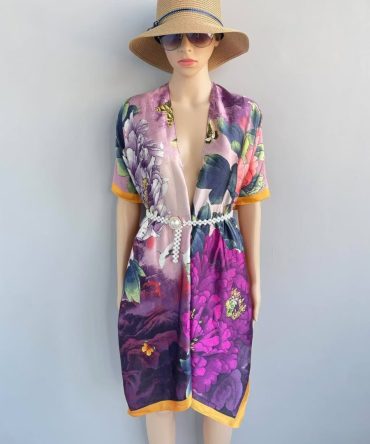
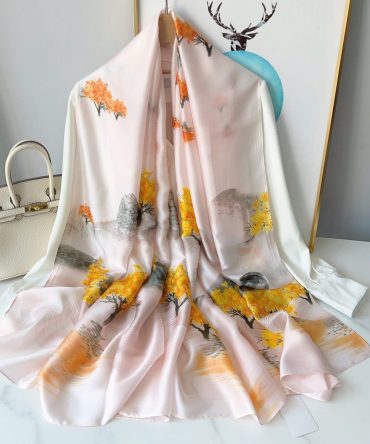
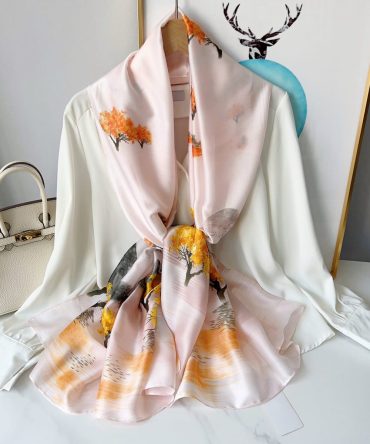



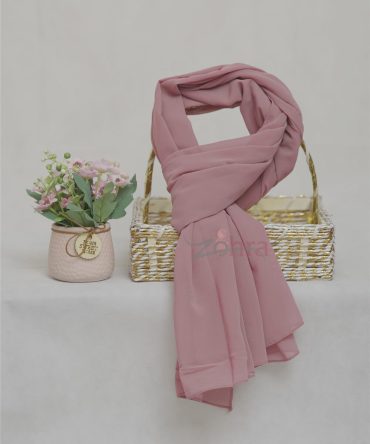
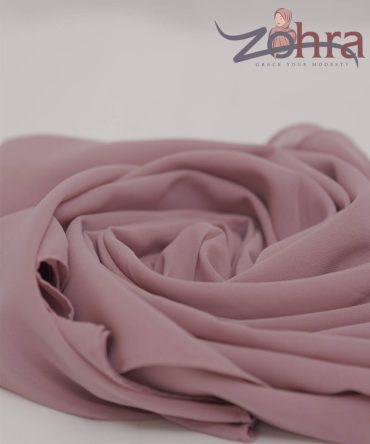


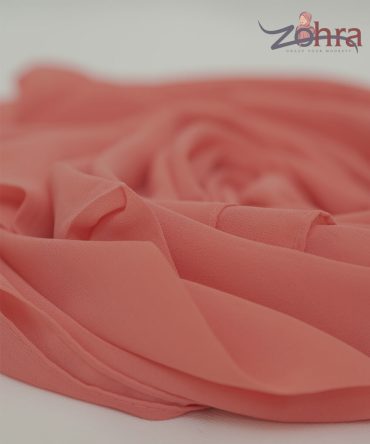


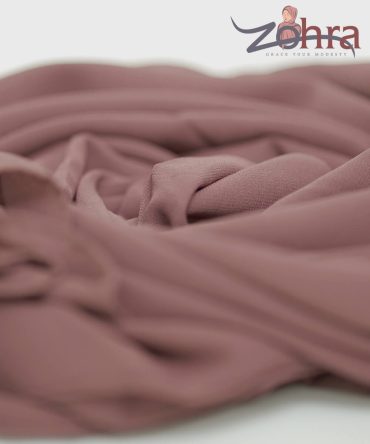
The pink spectrum, from whisper to statement
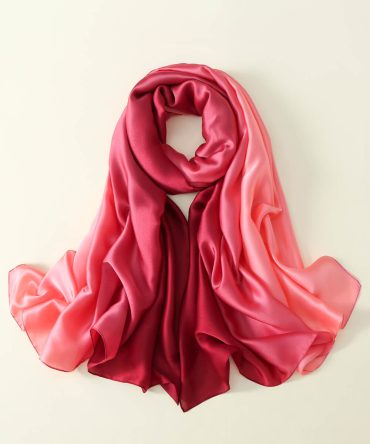
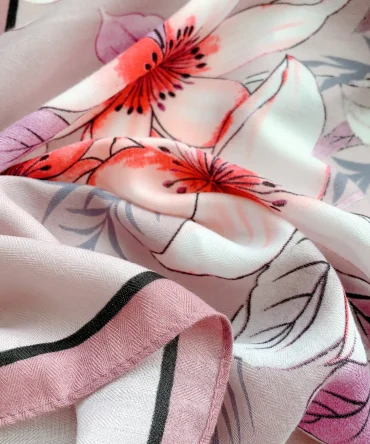
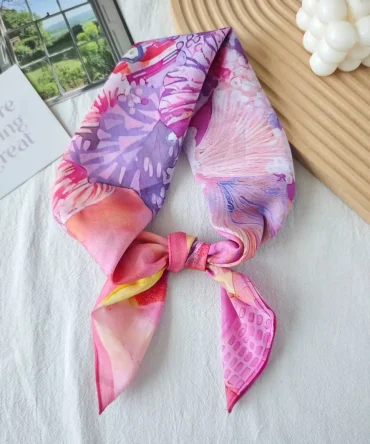
Pink is not one colour on this page. It is a range, and the distance between the two ends is bigger than most shoppers expect. At one edge sits blush, a pink so pale it reads almost like a warm off-white until it catches the light against your skin. At the other sits fuchsia, a pink loud enough to anchor an entire outfit on its own. Between them: dusty rose, ballet pink, coral pink, rosewater, and a deep raspberry pink that photographs beautifully under evening light. A pink scarf from this collection can do the job of a neutral or the job of a centrepiece, depending entirely on which shade you pick.
That range is also why "pink" is one of the more misunderstood categories in a wardrobe. People either avoid it entirely because they had one bad experience with a shade that didn't suit them, or they buy the same safe blush every time and never explore what a proper fuchsia hijab can do for an evening look. This page exists to help with both problems.
Blush and rosewater, for daytime and skin that runs warm or fair
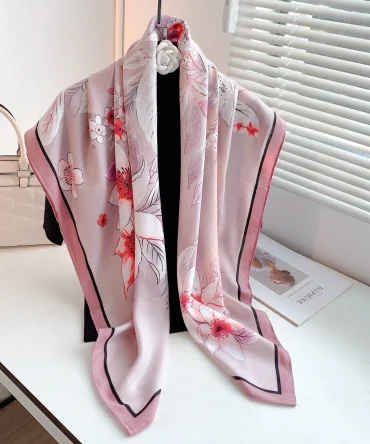
Blush is the gateway shade, and for good reason. It sits close enough to skin tone that it rarely clashes, which makes it forgiving for anyone still working out what pink does for them. On fairer or warmer skin tones, blush and rosewater tend to soften the face rather than wash it out, especially in silk, where the natural sheen keeps the colour from looking flat. A pink hijab in this tone works well for office days, brunches, and any setting where you want to look put together without looking like you tried hard.
Dusty rose and mauve-pink, the quiet middle ground
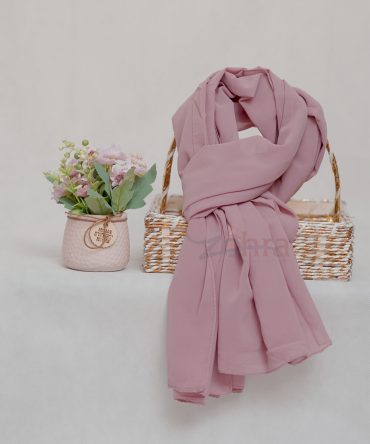
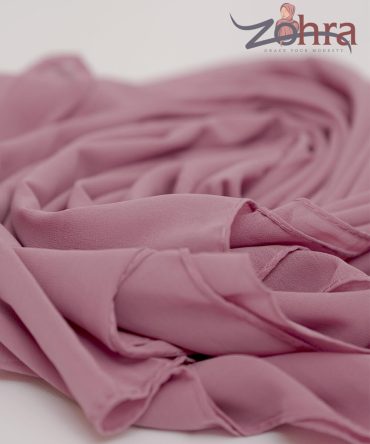
This is the shade for anyone who finds blush too pale and fuchsia too much. Dusty rose has a greyish undertone that reads as sophisticated rather than sweet, and it works on a wider range of skin tones than either end of the spectrum. It is also, practically speaking, the easiest pink to build a work capsule around, since it pairs with camel, charcoal, and ivory without any of them fighting for attention.
Fuchsia and raspberry, for when you want to be seen
Fuchsia is not a shy colour and it should not be worn like one. Against deeper skin tones it looks genuinely rich, almost jewel-toned, and against fairer skin it creates enough contrast to draw the eye up to the face, which is exactly what you want at an evening event. A fuchsia scarf in satin or a heavier silk holds its shape well for draping, so it works for occasion wear where you need the fabric to move but also hold a silhouette through a few hours of standing, greeting, and photographs.
If you hesitate to wear pink, start here
A lot of women rule out pink after wearing the wrong shade once. Usually the culprit is a pink with too much yellow undertone worn against cool-toned skin, or a pink so pale it disappears against a fair complexion and makes the whole look feel washed out. The fix is not to avoid pink. It is to be more specific about which pink.
If you are cool-toned, look for pinks with a slight blue undertone: think rosewater, mauve, or a cooler fuchsia rather than a coral-leaning pink. If you are warm-toned, coral pink and a warmer blush will sit better against your skin than anything with a cold, bluish cast. If you genuinely cannot tell which category you fall into, dusty rose is close to universally flattering and a safe first purchase.
The other easy entry point is to wear pink somewhere other than directly against the face at first. A pink scarf tied at the neck over a plain outfit, or worn slightly looser as a hijab with more of the underscarf showing, eases you into the colour without the commitment of having it frame your whole face. Once you know you like it, you can move closer to the skin with confidence.
Styling pink against neutrals and metallics
Pink is often treated as a colour that needs to be handled carefully, but it is actually one of the easier shades to build around once you know the two or three combinations that work reliably.
Pink against neutrals
Camel and pink is a combination that almost never fails, particularly with dusty rose or blush, because the warmth in camel picks up the warmth in the pink. Charcoal grey does the opposite job well: it grounds a brighter pink like fuchsia and stops it from feeling too sweet. White and cream keep any pink looking crisp and daytime-appropriate, which is why a blush silk scarf over a white shirt is such a reliable formula for office or daytime wear in Dubai's air-conditioned interiors, where a lightweight silk layer is genuinely useful rather than decorative.
Pink against gold and rose-gold jewellery
Gold jewellery against a warm pink, like coral or blush, tends to look intentional rather than accidental, since both sit on the same warm side of the colour wheel. Rose-gold is almost too easy with pink, since the two share an undertone, though this pairing works best with a more muted pink like dusty rose or mauve rather than fuchsia, where two competing pink-adjacent tones can start to look matchy rather than styled. Silver reads more neutral and works well against cooler pinks like rosewater, giving the whole look a cleaner, more editorial finish.
Fabric notes: silk, chiffon, and satin behave differently in pink
The shade is only half the decision. The fabric changes how that shade actually reads once it is on.
Pink silk scarf
Silk carries pink with the most depth and the least effort. The natural sheen catches light in a way that makes even a simple blush or rosewater look considered, and the weight of a good silk drapes close enough to the head for hijab styles without needing constant adjustment. A pink silk scarf is the pick for anyone who wants one piece that moves between daytime and a slightly dressier evening without changing.
Chiffon
Chiffon is lighter and more matte, which softens fuchsia and raspberry considerably, taking some of the intensity out of the boldest shades. It is also the most breathable option for UAE heat, which matters more than styling preference for large parts of the year. If you want a bold pink hijab for daily wear without the shine reading as too dressed up, chiffon is the fabric to reach for.
Satin
Satin sits between the two. It has more structure than chiffon and more shine than most silk finishes, which makes it particularly good for fuchsia and deep raspberry shades worn for evenings, where you want the colour to hold its saturation under artificial light rather than flatten out.
Matching the shade to the occasion
Daytime calls for restraint, not because bright pink is wrong in daylight but because natural light is unforgiving and tends to exaggerate saturation. Blush, rosewater, and dusty rose all read as considered rather than costume-like under daylight, which is why they dominate office and daytime hijab rotations.
Evenings flip the logic. Artificial light flattens colour, so a shade that looks bold at 3pm often looks appropriately elegant at 8pm. This is when fuchsia and raspberry earn their place, particularly in satin or a weightier silk that will hold a drape through a dinner or a wedding. A fuchsia scarf that felt like too much for a work meeting is often exactly right for an evening event.
Buying pink scarves and hijabs in the UAE
Every piece in this pink range ships across Dubai, Abu Dhabi, Sharjah, and the rest of the UAE within one to three business days. Orders over AED 200 qualify for free shipping, and if you would rather see the shade in person before committing, cash on delivery is available on every order. For anyone building out a full pink capsule in one go, both Tabby and Tamara let you split the cost into instalments at checkout, and Apple Pay is supported for a faster checkout if you are ordering from your phone. Prices across the pink range in AED reflect the fabric: chiffon pieces sit at the more accessible end, while silk and heavier satin styles are priced higher to match the material.
Frequently asked questions
What pink shade suits darker skin tones best?
Deeper skin tones tend to carry saturated pinks particularly well, so fuchsia, raspberry, and a rich coral pink often look more striking than pale blush, which can read as too close to the skin to register clearly. That said, a well-chosen blush in silk, with its natural sheen, still works if you want something softer for daytime.
Is a pink hijab appropriate for formal or office settings?
Yes, provided the shade and fabric match the setting. Dusty rose, mauve, and rosewater in a matte chiffon or silk with a subtle finish read as professional. Save high-shine satin and the brighter fuchsia end of the spectrum for evenings and occasions rather than the office.
How do I stop a pale blush scarf from looking washed out against my skin?
This usually comes down to undertone rather than shade intensity. If blush is washing you out, try a version with slightly more warmth or depth, such as rosewater or a light coral pink, rather than abandoning pale pink altogether. Silk also helps here, since the sheen adds dimension that a flat matte fabric cannot.
Can I wear fuchsia or bright pink during the day?
You can, though it changes the mood of an outfit more than a muted pink would. Pairing a bright fuchsia scarf with plenty of neutral, like white, charcoal, or camel, keeps the look daytime-appropriate. Chiffon in fuchsia also softens the intensity slightly compared with silk or satin, making it easier to wear before evening.