- “Aqua Haze” already exists in your wishlist







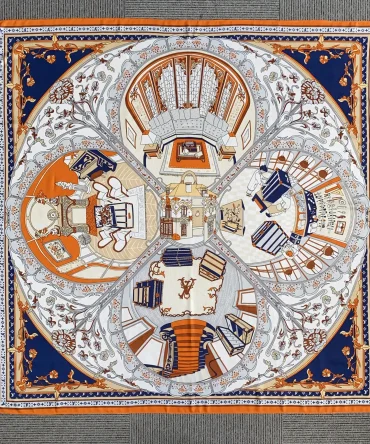
Blue Is Never Just One Colour
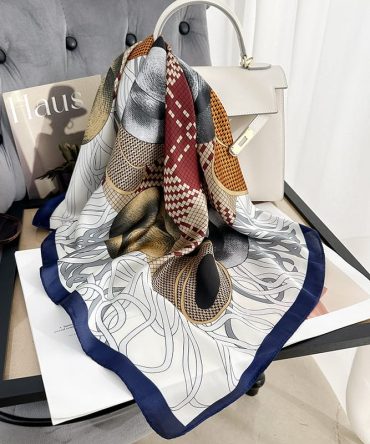
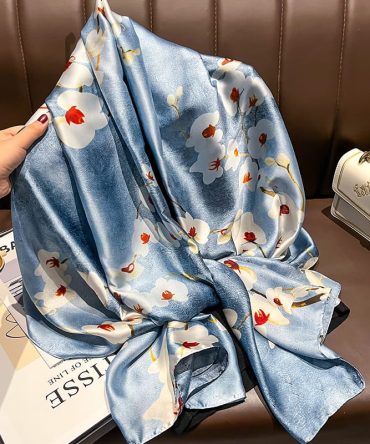
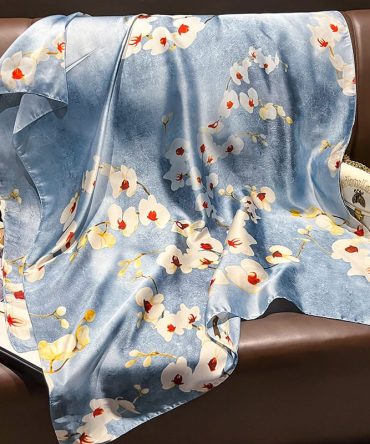
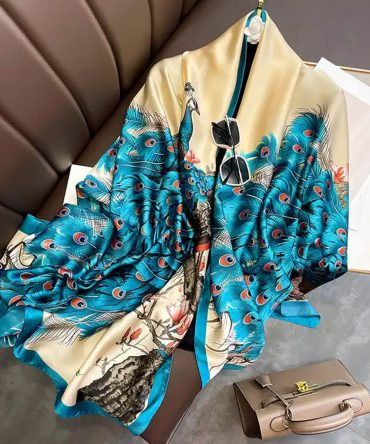
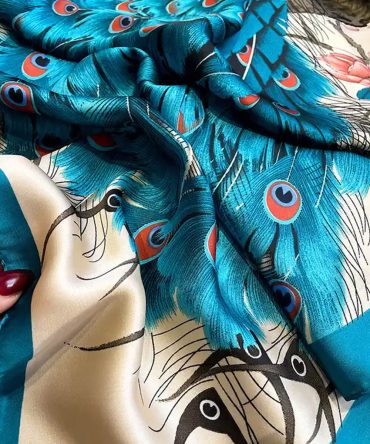
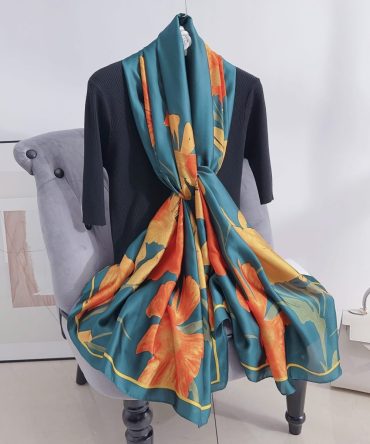
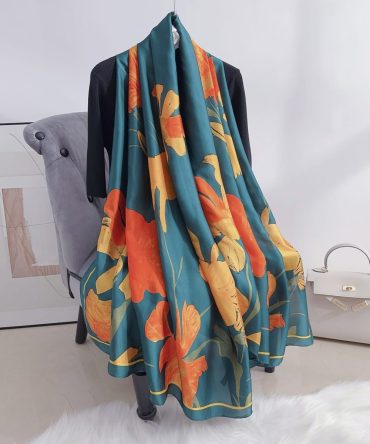
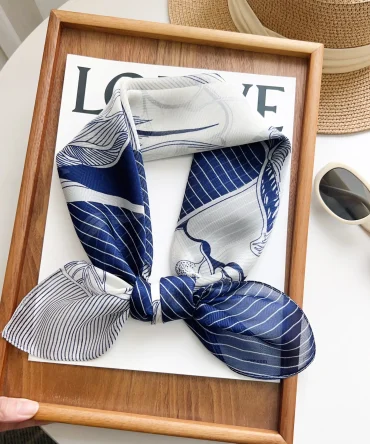
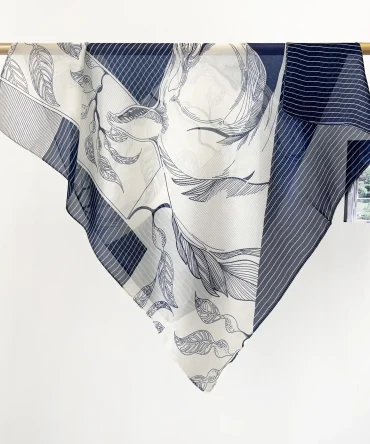
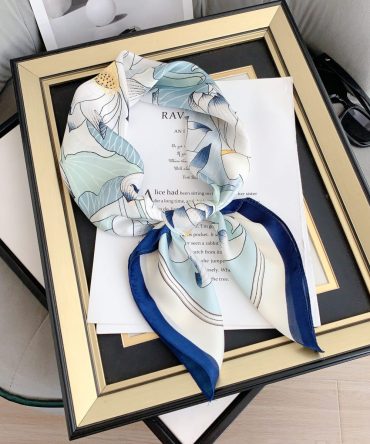
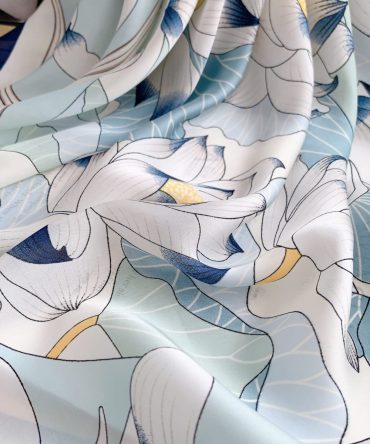
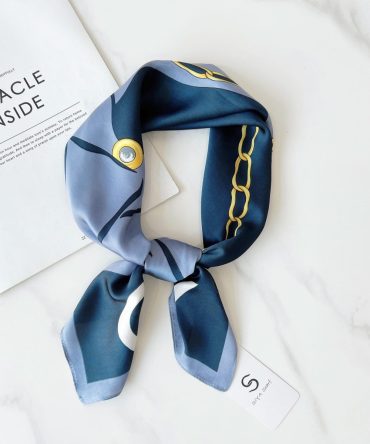
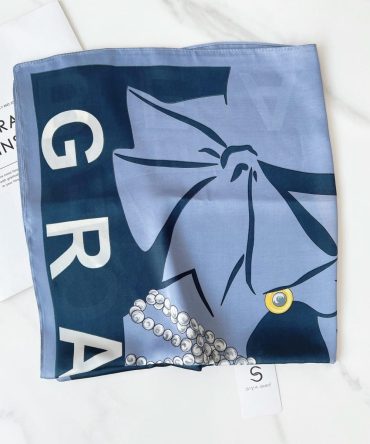
Ask five people to picture a blue scarf and you will get five different answers. One sees a pale sky blue, soft enough to pass for grey in low light. Another pictures a saturated cobalt that reads almost electric under sun. Someone else means teal, which is really blue arguing with green and mostly winning. This is the range we mean by blue, and it is wider and more forgiving than most colour categories on a rack. Deep navy has become its own thing entirely on Layl, with its own shelf and its own rules, so what you will find here sits above it: everything from the palest cornflower through denim, cobalt and teal, stopping just short of true navy.
That breadth is the point. A blue scarf is rarely a single purchase decision the way a red or a yellow one is. You are choosing a temperature as much as a shade, deciding whether you want something that recedes quietly into an outfit or something that does a bit of the talking itself.
Undertone Is the Whole Game
Most people shopping for a blue hijab think about depth of colour first, light versus dark, and skip past the more useful question, which is undertone. Blues split roughly into two camps: those with a hint of green or grey mixed in, and those that lean toward violet or true, clean blue. The first camp includes teal, slate and dusty denim blues. The second includes cobalt, periwinkle and the brighter sky blues.
If your skin has warm undertones, meaning gold or peach rather than pink, a teal or slightly greyed-down blue will usually sit better against your face than a stark, cool cobalt, which can make warm skin look slightly tired by contrast. Cooler or pink-toned skin tends to do the opposite, coming alive next to a clean cobalt or a crisp sky blue while looking a touch washed out in murkier teals. None of this is a hard rule. It is a starting point for trying colours near your face rather than trusting a swatch on a screen, because blue photographs differently than it behaves in person, especially under the warm interior lighting most of us actually get dressed in.
A Quick Way to Test It Yourself
Hold two shades near your jaw in daylight, one warmer or greyer blue and one brighter, purer blue. Whichever one makes your skin look more awake, rather than the scarf looking prettier on its own, is your answer. It sounds simple because it is.
Blue as a Working Neutral
Here is the underrated part of blue: past a certain depth, it stops behaving like a statement colour and starts behaving like a neutral. Denim blue, slate, muted teal and anything close to a dusty mid-blue will sit next to beige, camel, white, grey and black without a fight. This is why a mid-tone blue hijab tends to get worn more often than people expect when they buy it, more than a true red or a bright pink would. It slots into a beige abaya as easily as it does a white shirt, and it does not compete with gold jewellery or a patterned bag the way a louder colour might.
Where blue does step forward and ask to be noticed is at the far ends of the spectrum. A pale sky blue against white feels crisp and almost coastal. A saturated cobalt against black is genuinely striking, closer to a statement piece than an everyday layer. Knowing where your particular blue falls on that scale tells you how much else in the outfit needs to stay quiet.
Pairing With Neutrals
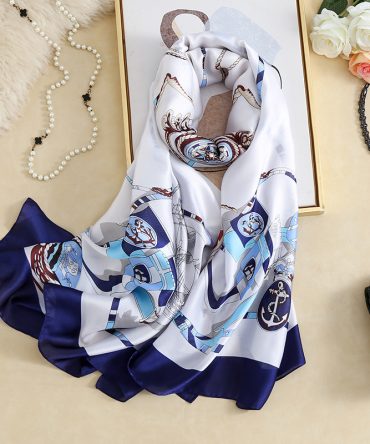
Camel and blue is one of the most reliable combinations in the wider colour wheel, largely because they sit opposite each other in warmth without clashing in intensity. Grey does something similar but cooler and more editorial. White with any blue, from sky to teal, reads clean and slightly nautical without trying. Black grounds a brighter blue and lets it be the only colour doing any work.
Pairing With Gold and Metallics
Gold jewellery against blue is a pairing that photographs well because the warmth of the metal offsets the coolness of the fabric. This works particularly well with deeper blues like cobalt or a rich teal, where the gold reads as a deliberate accent rather than an afterthought. Silver and other cool metallics suit the paler, icier blues instead, sky blue especially, where warm gold can sometimes look slightly out of place against something so light and cool.
How the Fabric Changes the Colour
The same dye lot of blue will not look the same in silk, chiffon and cotton, and this matters more than most people expect when shopping online.
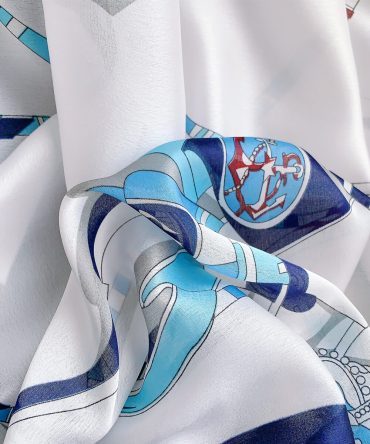
A blue silk scarf carries a natural sheen that shifts the colour depending on the light hitting it, so a cobalt silk can flash almost purple in shadow and turn bright and saturated under direct light. This makes silk the most dramatic option and the one best suited to an evening or an event, where that movement in the colour reads as richness rather than inconsistency.
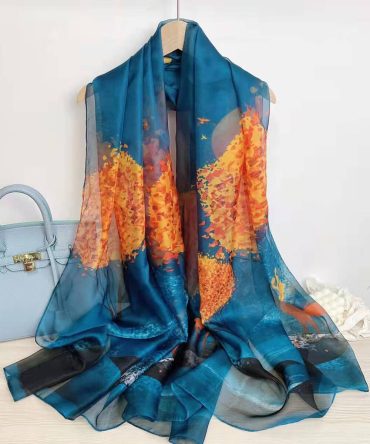
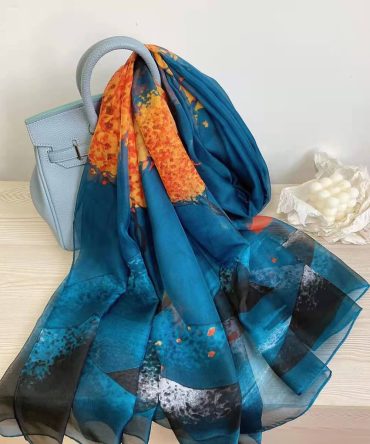
Chiffon sits in the middle. It is lighter and more matte than silk, so the blue stays fairly consistent regardless of light, but the fabric's natural drape and slight transparency soften the colour, giving even a bold teal a gentler, more diffused look. This is usually the easiest fabric to wear a bright blue in without it feeling like too much.
Cotton reads the flattest and truest of the three. What you see is close to what you get, with none of silk's shimmer or chiffon's softening. A cotton blue hijab in a mid denim or slate shade tends to look the most grounded and the most obviously everyday, which is exactly why it works so well for daily wear over months of regular use.
Choosing by Occasion
For daily wear, whether that is the school run, the office or errands around Dubai, a mid-tone blue in cotton or a cotton-chiffon blend earns its keep. It hides light creasing better than silk, handles repeated washing without losing its colour quickly, and sits comfortably alongside whatever else is already in rotation in your wardrobe.
For something with more presence, a cobalt or a deep teal in silk pulls its weight at a dinner, a wedding guest look or any evening where you want one clear point of colour rather than a full outfit of pattern. A single cobalt silk scarf against a plain black or camel outfit does more than a printed piece would, and it tends to age better in photos too, since a strong solid colour rarely looks dated the way a trend print can.
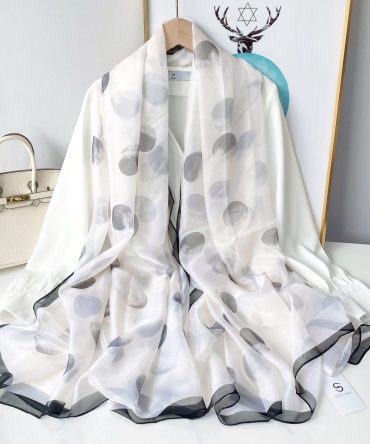
Sky blue and the paler end of the spectrum suit daytime events, brunches, spring and summer generally, where the lighter weight and softer tone match the season without needing much else around it.
Shopping the Range at Layl
Every piece in this edit is priced in AED and ships across Dubai, Abu Dhabi, Sharjah and the rest of the UAE within one to three business days. Orders over AED 200 ship free, and if you would rather pay on arrival, cash on delivery is available alongside Apple Pay for anyone who wants to check out quickly. For larger pieces or if you are building out a few shades at once, Tabby and Tamara split the cost into instalments, which makes it easier to try a teal or a cobalt silk scarf you might otherwise hesitate over.
Because blue spans so many undertones and fabrics, it helps to filter by shade if you already know what flatters you, or to browse the full range if you are still working that out. A pale sky blue chiffon and a deep teal silk are both technically blue scarves, but they will live very differently in your wardrobe.
Frequently Asked Questions
What is the difference between this category and navy scarves?
Navy is treated as its own shade on Layl because it behaves more like a neutral black substitute than a colour statement. This blue category covers everything lighter or brighter than navy, from the palest sky blue through cornflower, denim, cobalt and teal, so you can shop the wider spectrum without wading through near-black shades that belong elsewhere.
Which blue suits fair skin best?
There is no single answer, since it depends more on undertone than depth. Fair skin with pink or cool undertones usually suits a clean, brighter blue like cobalt or sky blue, while fair skin with warmer, golden undertones tends to look better in a softer, slightly greyed blue like teal or dusty denim. Testing a shade near your jaw in daylight is more reliable than any general rule.
Is a blue silk scarf harder to maintain than chiffon or cotton?
Silk needs a little more care, ideally a gentle hand wash or dry clean and storage away from direct sunlight to keep the colour from fading unevenly. Chiffon and cotton are more forgiving day to day, which is part of why they suit frequent wear better than silk does.
Can I wear a bright teal or cobalt scarf every day, or is it only for events?
Brighter blues work perfectly well daily if the rest of the outfit stays simple. The scarf becomes the one point of colour against neutrals like beige, white, grey or black. It is really the fabric and finish, silk's shine versus cotton's matte flatness, that decide whether a shade feels like an event piece or an everyday one, more than the colour itself.